

Do you get snorkelling equipment with your tour? As a rule, yes. For the most part an organised tour of the Ningaloo Reef will have the basics covered: your mask, fins and snorkel. Boat tours in particular are apt to put wetsuits, stinger suits and flotation at your disposal, but one operator or season may differ from another.
If the question is whether Ningaloo tours provide for all your snorkelling needs, then read the booking terms before you part with your money. One package might be all inclusive; a land-based affair could leave you to source your own. I am Matilda Vale and in my experience a couple of minutes checking over the equipment spares you from an expensive, soggy sulk for the rest of the day.
What to expect from the tours
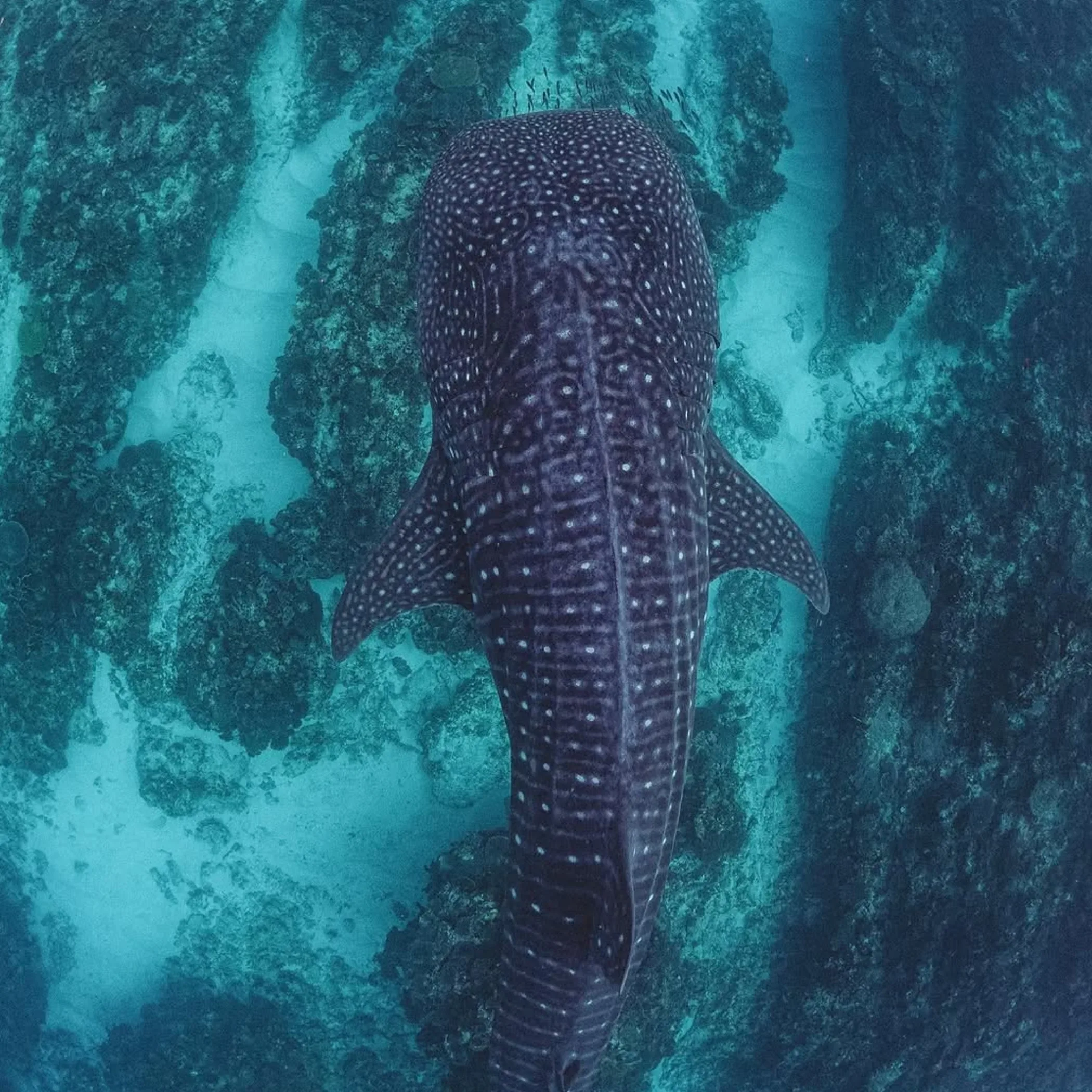
You can count on Ningaloo operators to supply what is called for in guided water work. On a boat trip to some of the more remote offshore sites it would be awkward to tote your own things and there is no easy way to make do without a fin.
That said, the condition and size of the kit is not uniform. It is worth putting in an inquiry as to if the price covers the gear, if they have children’s sizes on hand or can put in a prescription mask or a larger wetsuit ahead of time.
The usual complement of gear
An open-heel fin, a silicone mask and a snorkel are de rigueur in most equipment packages. You will find several sizes but until you put them on you cannot be sure of the fit. And a mask that lets water in at the nose will wear on your patience quicker than a mozzie come dusk.
From the boat you may be offered a wetsuit, stinger suit, buoyancy vest or even a pool noodle. Some of this is for comfort’s sake, not because the water is unkind to you; any swimmer will welcome the support after a few hours in.
| Equipment | Usually Provided | What To Check |
|---|---|---|
| Mask | Commonly included | Check for seal and clear lenses, see if prescription is an option |
| Snorkel | Commonly included | Dry-top design and a comfortable mouthpiece |
| Fins | On boat tours as a rule | Make sure they are the right size and reef-safe |
| Wetsuit | Seasonal inclusion | Full suit? How thick? |
| Stinger suit | Warmer months | Optional or not? |
| Flotation devices | Guided tours will have them | Type and how to use |
Boat or shore?
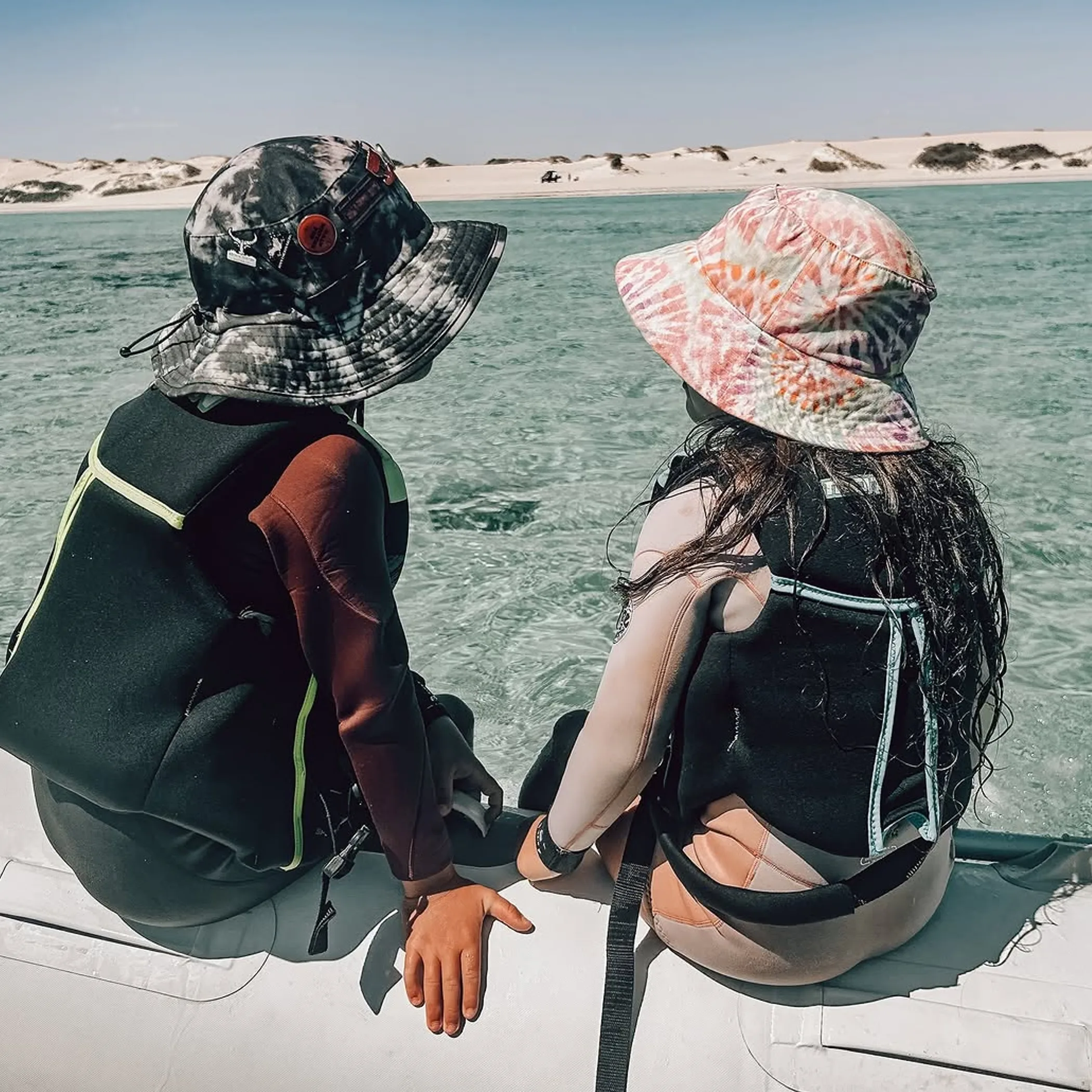
There is a marked difference in the arrangements between a shore snorkelling tour and one by boat. The latter has the space and crew to put out shared and spare gear; on land the onus is more on the traveller. Which is preferable is a matter of your mobility, time and how well you like to swim. A boat will take you to places you cannot get to from the beach, but from the shore you set your own pace and can call it a day when your shoulders are done.
On a guided boat you will be given masks and fins along with some exposure protection, drinking water and a rundown on the marine environment. The crew will tell you where to swim and the proper way to get on and off the vessel. These are long days, so factor in the check-in, loading, the run out to sea and the return. With wind and swell liable to alter plans, a firm airport transfer for the afternoon is not advisable.
Shore snorkelling
Around Exmouth and Cape Range National Park it is good snorkelling but the equipment is not as readily supplied. An independent foray to the beach means you need to have your own or have made arrangements to hire in Ningaloo before you head out. There can be sand and rocks to contend with, uneven ground and steps. Do not be fooled by a tranquil car park into thinking the water is equally placid once you round the corner, especially with the wind up. Snorkelling experience requirements must be met to ensure safety before venturing independently in the area.
Wetsuits and stinger suits
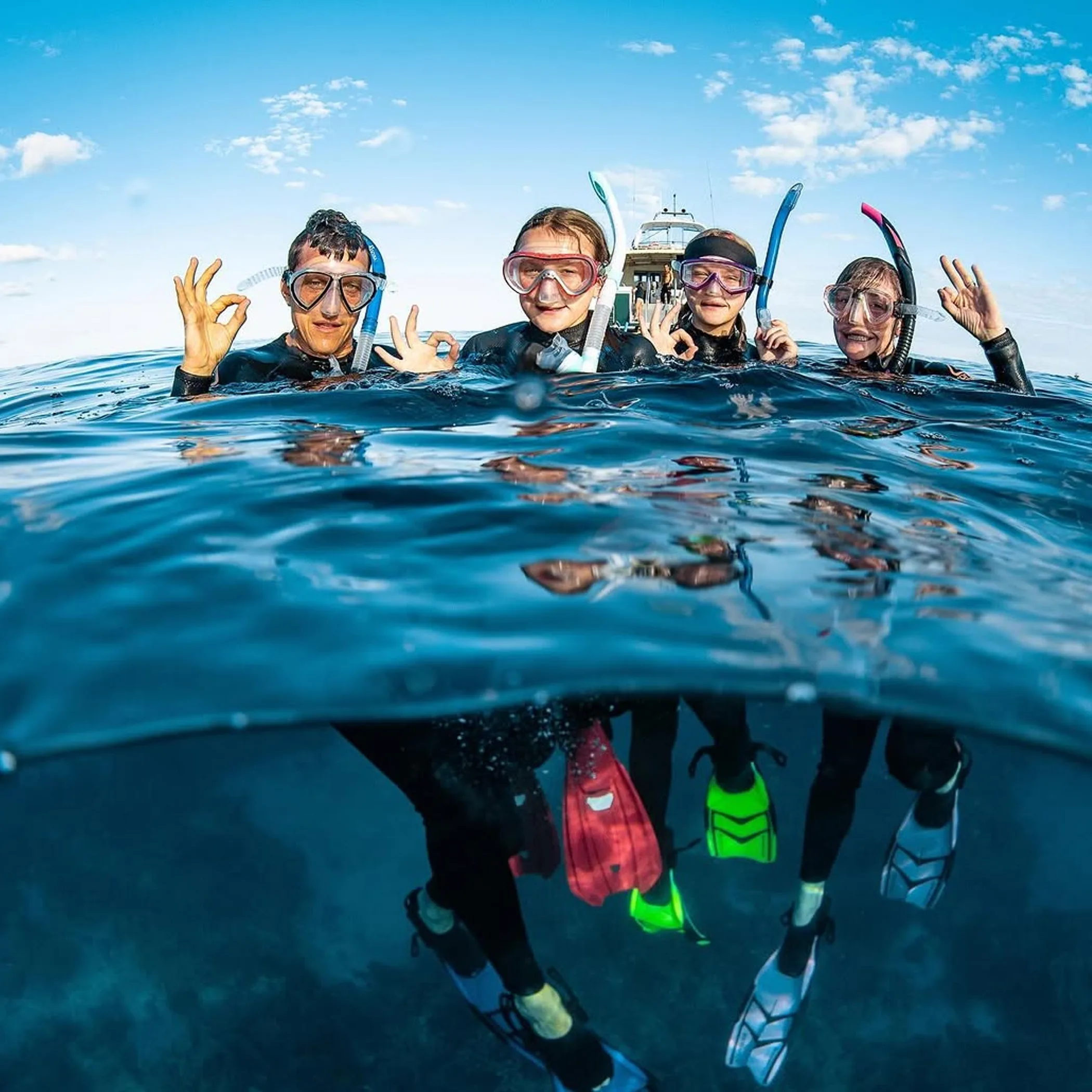
While you will find them on many a tour, do not assume they are part of every booking. Water temperature and where you are going to be snorkelling will dictate their use. A wetsuit keeps you warm and shields you from scrapes; a stinger suit is lighter fare for warmer conditions. But neither is foolproof. Heed the crew and keep your hands to yourself as far as the coral and seafloor are concerned.
Water and the Season
Ningaloo weather is apt to turn on a moment’s notice, with strong winds putting a crimp in visibility and boat departures. In the cooler months one might put on a wetsuit to see out a second round of snorkelling instead of folding up like a prawn and making for the towel.
When it is warmer you will be told by operators that a stinger suit is advisable or even mandatory. Do not go by some stock photo on a website as to what is provided; make an enquiry for your date of departure since inclusions are subject to the season.
Then there is the matter of marine conditions and how they impact on your comfort and what you can see. Be flexible in your plans to accommodate the heat, swell and wind. Should an operator put a different itinerary in place for safety reasons, consider it part of responsible tourism and not some slight from the ocean.
Daytime Packing
You may have your principal snorkelling gear from the tour but do not count on the vessel being a floating department store. Make provision for a long day in the sun, salt and wind.
A case can be made for bringing your own mask if it is a good fit, but first check with the operator that their safety rules permit it. Also pack:
- A wide-brimmed hat, sunglasses and reef-safe sunscreen.
- Swimsuit and something light to wear, with a warm layer for the way back.
- Any medication you require and a reusable bottle for water, and snacks where allowed.
- A towel and a dry bag or pouch for things of value.
- Something for motion-sickness if boat travel is a question mark.
- Your own prescription mask, should you need one (arrange this with the operator).
Where Travellers Go Wrong
They will tell you “equipment provided” but take it to mean all your personal needs are met. More often than not it is the water-entry sort of thing, nothing to do with your towels, food, eyewear or getting from your accommodation.
The fit is another area of surprise. A mask on the shelf of the boat can be deceptive and start to leak when you are swimming. Put it to the test before you get in: no strap, just inhale through the nose and see if it holds. And keep oily sunscreen off the face right before you put a mask on, it will break the seal. Let it set or put it on around the mask, not under the silicone.
Exmouth Hire
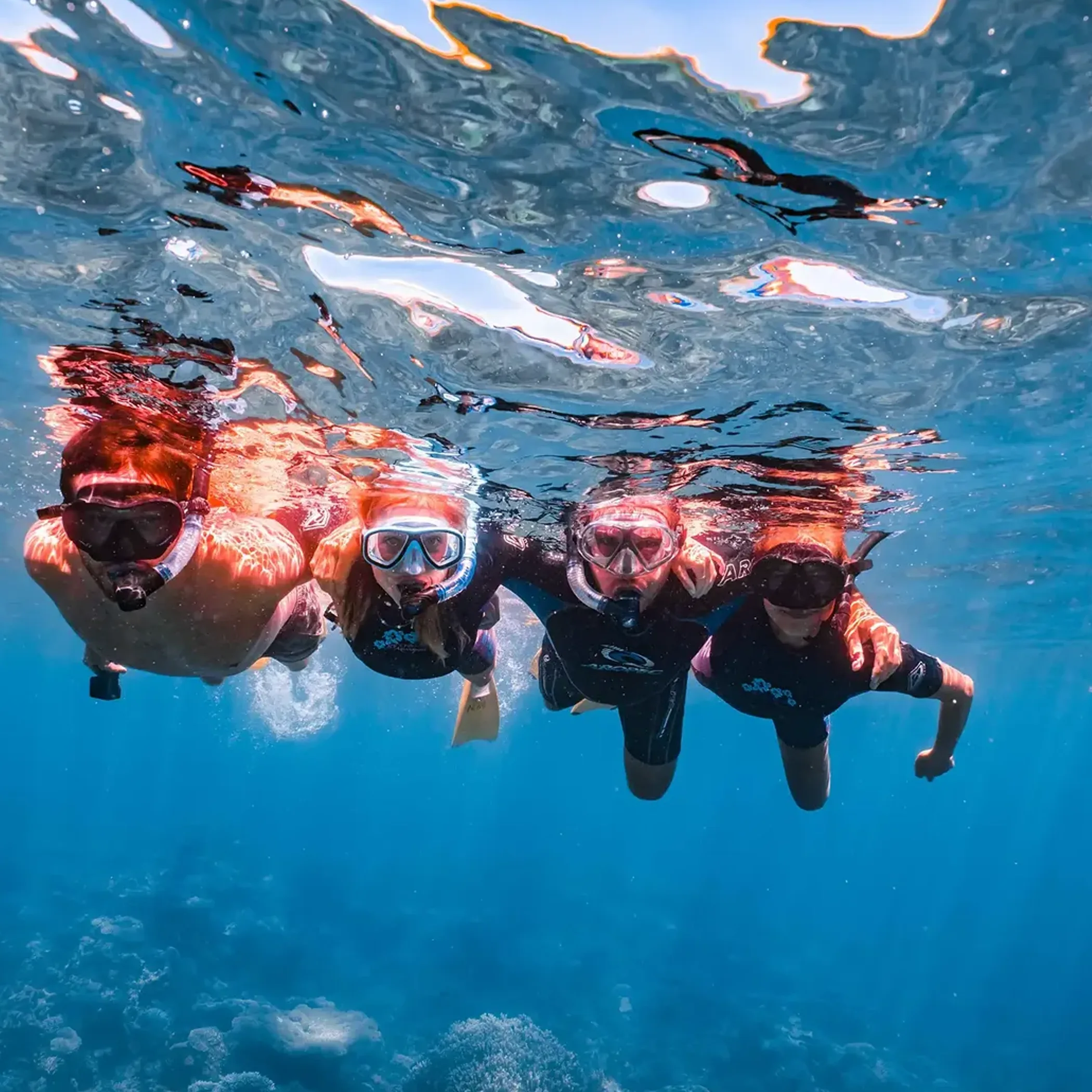
For those on their own or with a multi-day stay, hiring in Exmouth makes sense, and is less expensive for a number of beach visits than a guided trip. But in peak times you cannot be sure of availability; children’s equipment and popular sizes will be gone in a hurry with several groups about. Book in advance and get the details on deposits, cleaning and collection.
To Hire Or Not
Flying in and travelling light? Hiring is the easy option. But if you have a narrow face or high arches, or are prone to a leaking mask, your own gear is worth having for the fit.
Have a look at the fin straps, valve and skirt of the mask before you take it from the hire provider. If you spot anything loose or cracked, say so then and there; it is better dealt with at the counter than out on the coast.
Allow yourself enough time to collect and return. Out of Exmouth or in the Cape Range National Park you have to factor in the drive, parking, fuel and slow going on the way back. There are parts of the region with little mobile reception so have your directions downloaded.
Before You Book
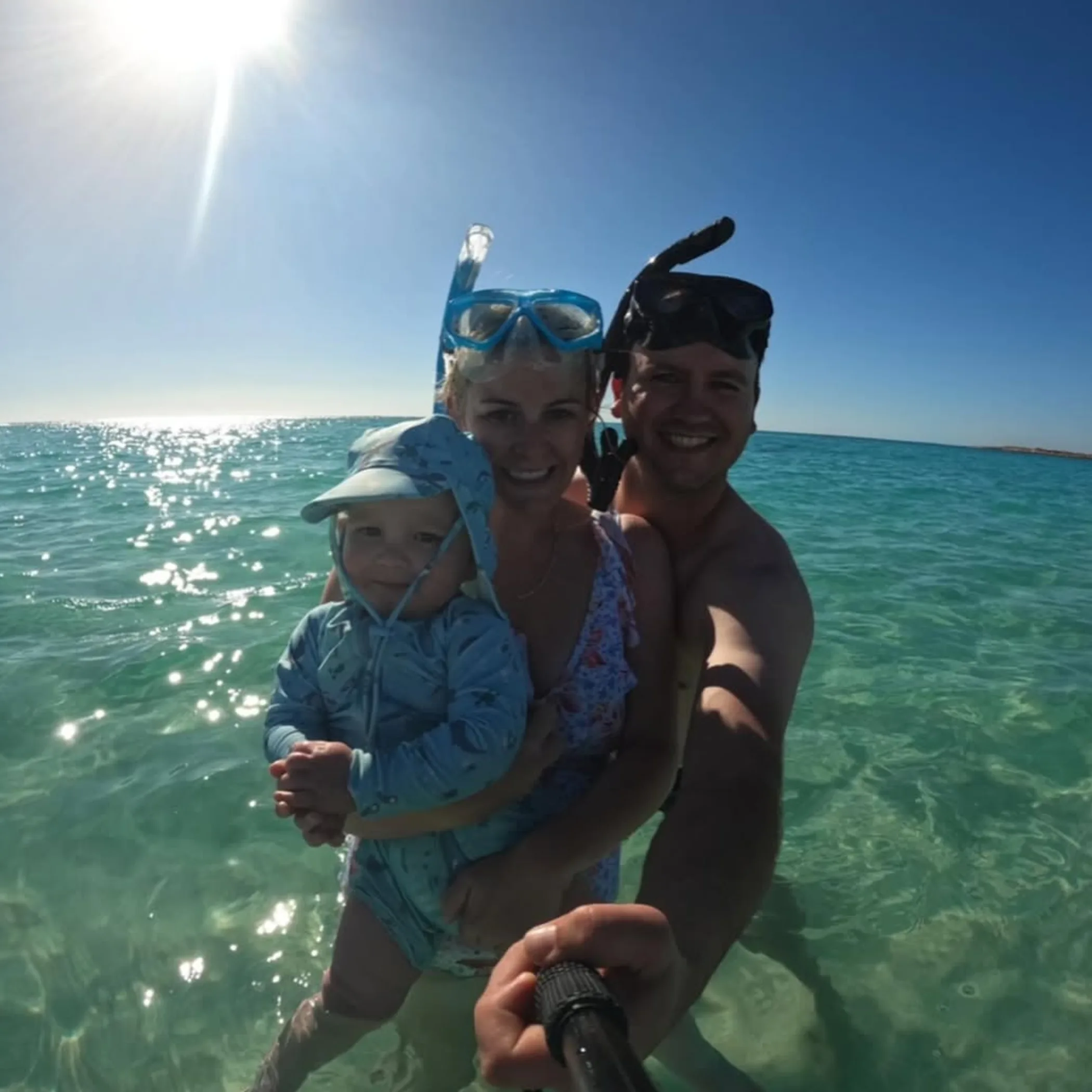
Any questions on equipment should be met with a straight answer from the operator. Where inclusions are not clear, get it in writing, especially for those of limited confidence in the water or who require a certain size.
An operator of repute will lay out the physical side of things. A snorkel tour is not the same as idling by a shallow beach; you may have to clamber up a ladder and put in some swimming against a current.
Checkpoints
Get confirmation on whether the quoted price covers your fins, masks, wetsuits, stinger suits and flotation. The same for any extras such as photos, park fees or meals, and transport from Exmouth. Ask what the protocol is if the planned route is off limits due to the wind.
There will be minimum age and accessibility provisions to check. Those with respiratory problems, an injury, pregnancy or bad motion sickness would do well to run the trip by the operator and a health professional.
When inquiring for a whale shark tour, put some questions to the operator on the matter of equipment and how many times one is likely to be in the water. The swimming is gentle enough but the trips can run long and you will find repeated entries wearisome. As for manta ray or turtle snorkelling excursions, site conditions are not the same so do not make the mistake of thinking a gear policy from one tour is applicable to the next.
A One-Day Visit
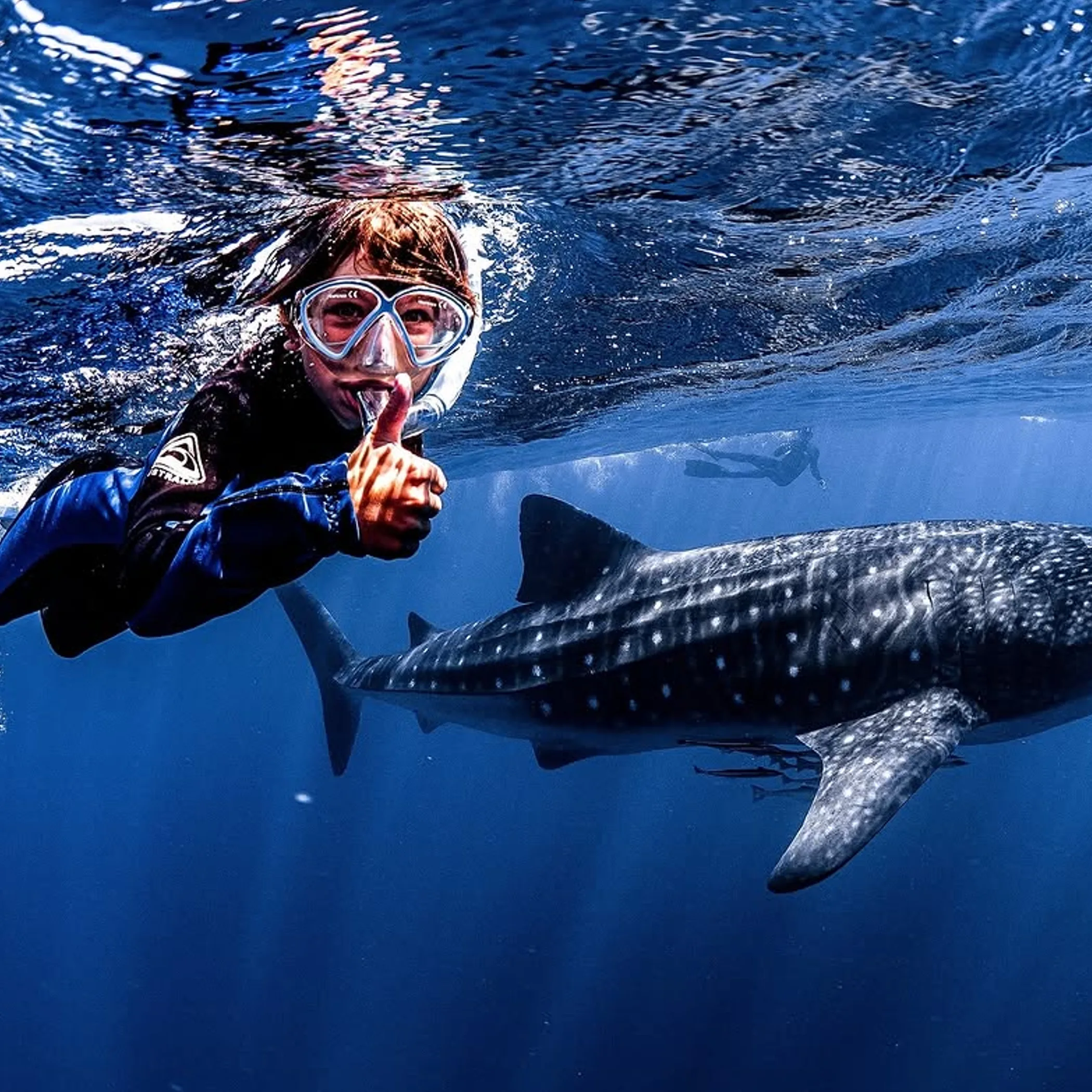
Should your time be limited to a day, a guided trip is the way to go for the local knowledge, transport and equipment all in one. It means fewer decisions to make and a better prospect of being at a good snorkel site in the time you have.
Those with their own gear and an appreciation of local conditions might opt for independent shore snorkelling; it is well suited to the traveller who can get an early start. But allow for the return drive, to change, for parking and fuel and to see what the weather is like. You will miss the best of the reef if you try to rush it.
What Suits The Traveller
An attentive crew and flotation devices on a boat or land-based tour are a help to the beginner. A confident swimmer would be more inclined to a multi-site boat trip or to snorkel from the shore. Families would do well to verify that young swimmers can handle the entry and exit and enquire about supervision and children’s equipment.
There is no point in a tour for anyone who has an aversion to boats or finds open water and uneven access a problem. Ningaloo is not ruled out for that reason, a companion and a quiet, shallow shoreline may be preferable.
- The day prior, look over the forecast, what is included in the way of equipment and where the tour departs.
- Make an early arrival to get through the paperwork and put the mask and fins to the test.
- Once there, heed the safety briefing, give the coral and marine life a wide berth and remain with the group.
- Leave some leeway in the afternoon schedule for fatigue or a bit of wind and swell.
Reef Etiquette And Safety
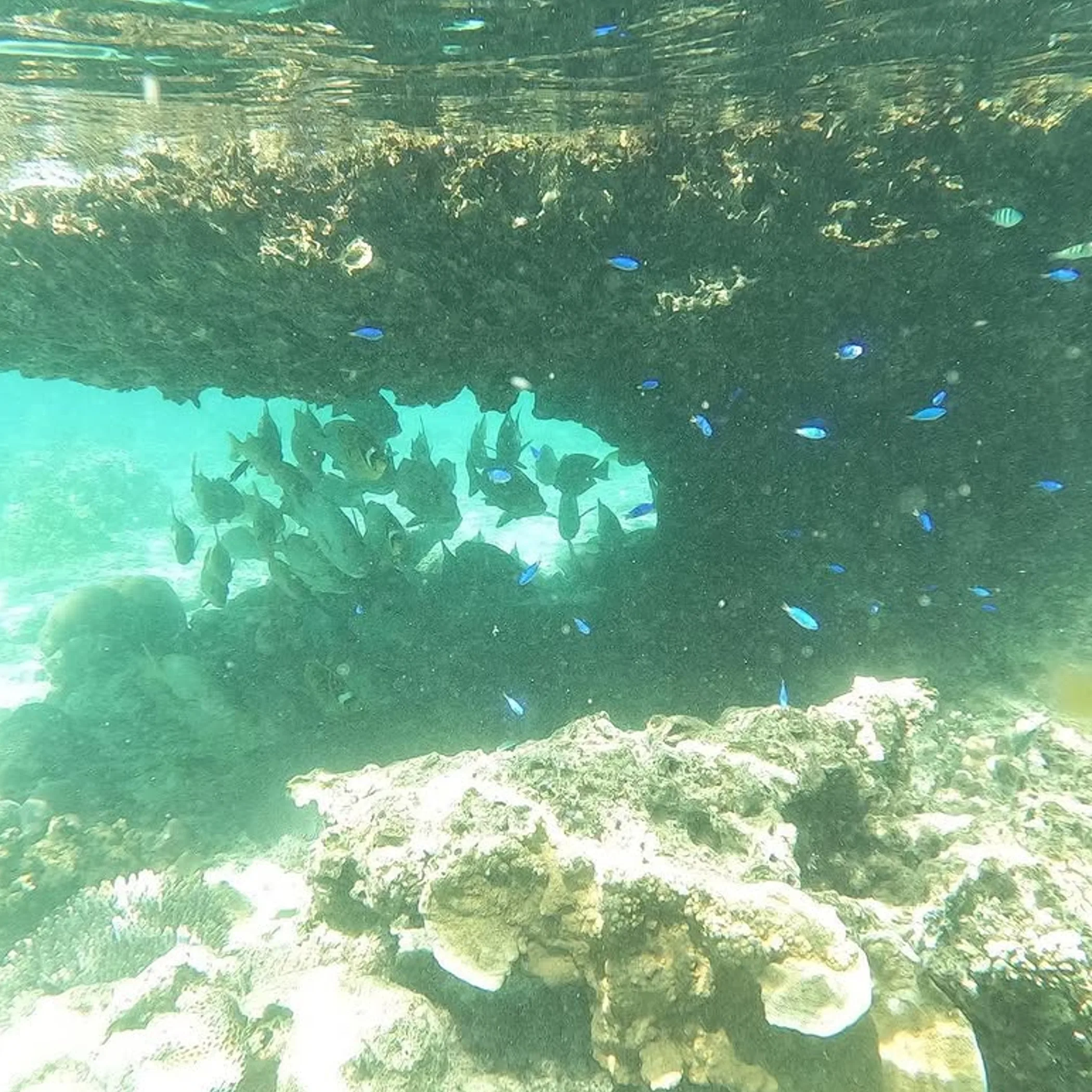
Even though snorkelling is within everyone’s reach it is an open-water pursuit. What was a simple swim can become an issue with tides, heat, currents or wind. Do not do it alone and let the crew know without delay should you be cold or seasick.
Respect the marine life and do not stand on the reef or put yourself in the way of an animal. For official word on park responsibilities and conservation from the Western Australia Parks And Wildlife Service, that is a good place to begin.
Be aware that closures and conditions are subject to change, particularly in cyclone season or when there is bushfire risk. Heed the alerts from your operator and any official ones. A closed beach is there for a reason, it is not an open door to a side entrance.
Some FAQs
Travellers have a few standard questions before they book a Ningaloo Reef snorkelling tour. In short, while guided trips will include equipment as a rule, the operator must be asked for confirmation of the package.
Where does one find the best snorkelling in Ningaloo?
That is a function of the day’s visibility, wind, marine life and swell. A guided operator will pick a site to suit the conditions. The shore snorkeller should stick to approved points and not put in on rough water. The ocean has its own agenda and a fine spot yesterday could be unremarkable today.
Is anything required for a snorkelling outing?
Suitable swimwear, sun protection, water and a mask, snorkel and fins that fit. If you are going it alone you may have to hire, the guided tours tend to supply the essentials. Put on a wetsuit or stinger suit if called for by the operator or the conditions.
The Great Barrier Reef?
You can snorkel there, but it is a different destination to Ningaloo. Do not carry over assumptions as to what is on offer, the rules and inclusions are not the same from one region to another.
How much time at the reef?
A day is enough for one guided tour, but two or more is more sensible if the weather is against a departure and you want to mix in some rest, a boat tour and perhaps Cape Range National Park. You can cram it all into a day if you wish but it is hardly a clever plan.
Wetsuits on every tour?
Not at all. Some will have them but it is a matter of the season and the tour in question. See if the price covers it and check on the size and thickness.
To Wrap Up
On most of the organised tours in Ningaloo you will be set with masks, fins and snorkels, and the boat trips often have wetsuits and flotation to hand. With a shore tour or on your own it is less certain, so bring your own or put in for hire if the terms of the booking are not clear.
Review the transport, the gear list and the weather policy before you book. Then with a sensible plan and the right kit you can be looking at the marine life that was the draw of ningaloo reef rather than fussing over a leak.

Most people know me as Matilda Vale, but that's simply the name I chose to write under. My real name has always stayed private, mostly because I've enjoyed keeping one small corner of my life just for family.