Chapter 01 · Cosmetic Tattooing
Brow, lip and eyeliner tattooing place pigment in the skin to soften, define or add colour, and the results fade slowly over time. This overview is for readers who are still weighing it up. It covers what each treatment is, who should slow down, and the questions worth asking before anyone picks up a pen.
Glossary · Three treatments
Brow tattooing:
Pigment worked into the brow area, either as fine hair-like strokes (microblading) or a softer powdered fill. Skin type, age and existing brow hair all shape how it settles. Our Brows & Microblading overview goes further.
Lip blush:
A sheer wash of colour across the lips to even out tone or redefine the border. It is meant to look like a natural tint rather than lipstick.
Eyeliner tattooing:
Pigment placed along or between the lashes to add depth to the lash line. It sits close to the eye, so suitability matters more here than anywhere else. Both are covered in Lip Blush & Eyeliner.
Candid notes
Cosmetic tattooing is semi-permanent, so it lasts. Deciding not to go ahead, or not yet, is often the sensible choice. Two of our articles look at this directly.
Sensitive eyes, recent eye procedures and some skin conditions can all be reasons to hold off. The article explains why these matter close to the lash line.
Thinner, more mature skin holds pigment differently, and facial features shift over the years. A practical read before booking anything.
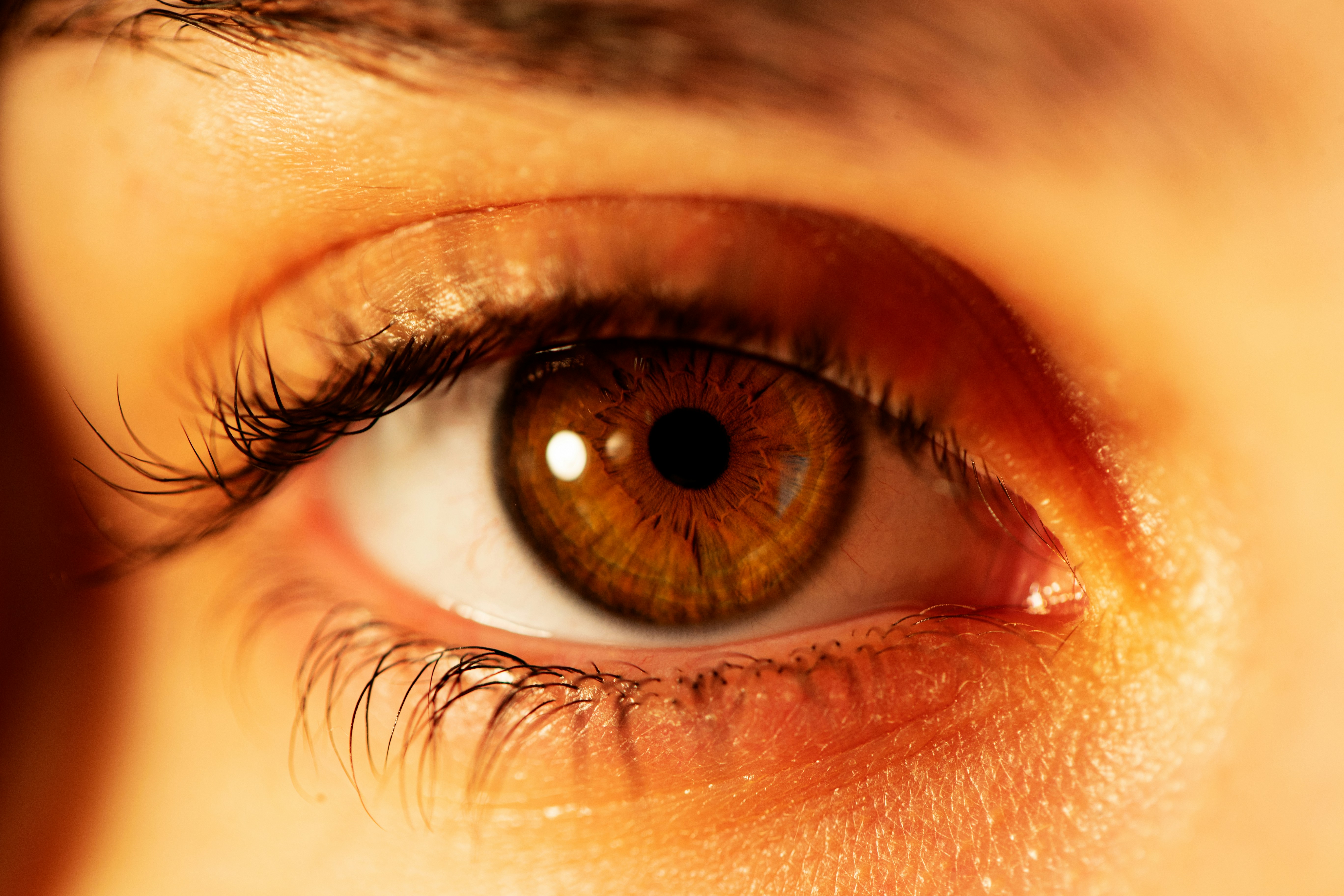
See also: the lash line, where precision counts most. Reference photograph.
Checklist
A good practitioner should be glad to answer all of these. If any answer feels vague, it’s fine to walk away and take more time.
Related reading
Some readers come to cosmetic tattooing thinking about a career, not a treatment. How to Become a Lip Blush Artist: Training & Career Guide sets out the training path from the start.
Continue with Chapter 02, Brows & Microblading, or Chapter 03, Lip Blush & Eyeliner. Unfamiliar terms are defined in The Treatment Glossary, and how our articles are researched explains how these guides are put together.
Spotted something that needs correcting? Write to the editors through the contact page.