So, how often should I put ointment on my tattoo? If you’ve just sat through the tattooing process and are staring at your fresh tattooed skin, you’re probably wondering if you’re overdoing it — or not doing enough. The healing process isn’t something to wing. Done right, it can mean bright ink and smooth lines; done wrong, it can lead to Tattoo colour fading, itchy scabs, or even an allergic reaction.
Think of Tattoo Aftercare like sunscreen in summer — non-negotiable. Ointment creates a protective layer that keeps your natural skin barrier function supported while letting enough air circulation in for an uncomplicated healing process.
Why Tattoo Ointment Matters for Fresh Ink
A tattoo isn’t just body art — it’s a controlled wound created by your tattoo artist. And in Queensland’s climate, where sun exposure, sweat, and humidity are daily challenges, your tattoo ointment cream is your best mate.
- Moisture level matters: Keeping skin moisturised reduces scabbing.
- Barrier support: A thin protective layer reduces infection signs.
- Vibrancy factor: Tattoo enthusiasts who keep their ointment routine steady report less Tattoo colour fading over time.
Studio note: A small clinical study of tattoo lovers in found subjects during visits who used fragrance free lotion or natural creams with Pro-vitamin B5 had a smoother tattoo healing process compared with those using petroleum jelly.
The Sweet Spot: How Often to Apply
Let’s get to the numbers. The safe bet? 2–3 times a day for most people. Applying more — say, 4–8 times daily — can seem tempting but usually backfires by suffocating the skin.
- Start with antibacterial soap: Clean gently with an antibacterial/antimicrobial soap.
- Apply ointment sparingly: Thin layer only, just enough for a sheen.
- Hands first: Always wash before touching your tattoo.
Table: Recommended Ointment Application
| Healing Stage | Days Post-Tattoo | Frequency | Key Care Notes |
|---|---|---|---|
| Initial Wrap Off | 1–3 | 3x daily | Clean with antibacterial soap; reapply supreme crème or Vitamin A&D |
| Peeling Phase | 4–10 | 2–3x daily | Avoid picking; use tattoo ointment with Pro-vitamin B5 |
| Hydration Support | 11–21 | 1–2x daily | Switch to fragrance-free lotion or natural creams |
| Long-Term Protection | 3+ weeks | Daily hydration | Apply Sun Screen Creams SPF 50 to prevent fading |
2025 Trend Insight: In a tattoo healing clinical study, 68% of participants who moisturised twice daily with an effective formula had reduced skin reaction and less colour dulling at 6 months compared to those who applied once.
Choosing the Right Tattoo Ointment Cream
Not all jars are created equal. Avoid anything with heavy fragrances, alcohol or harsh chemicals.
- Proven favourites: Supreme crème, Vitamin A&D balms, or tattoo-specific ointments with Pro-vitamin B5.
- Fragrance-free body lotions: Good for after week 2.
- Natural creams: Shea butter or coconut-derived balms — but stick with tested formulas.
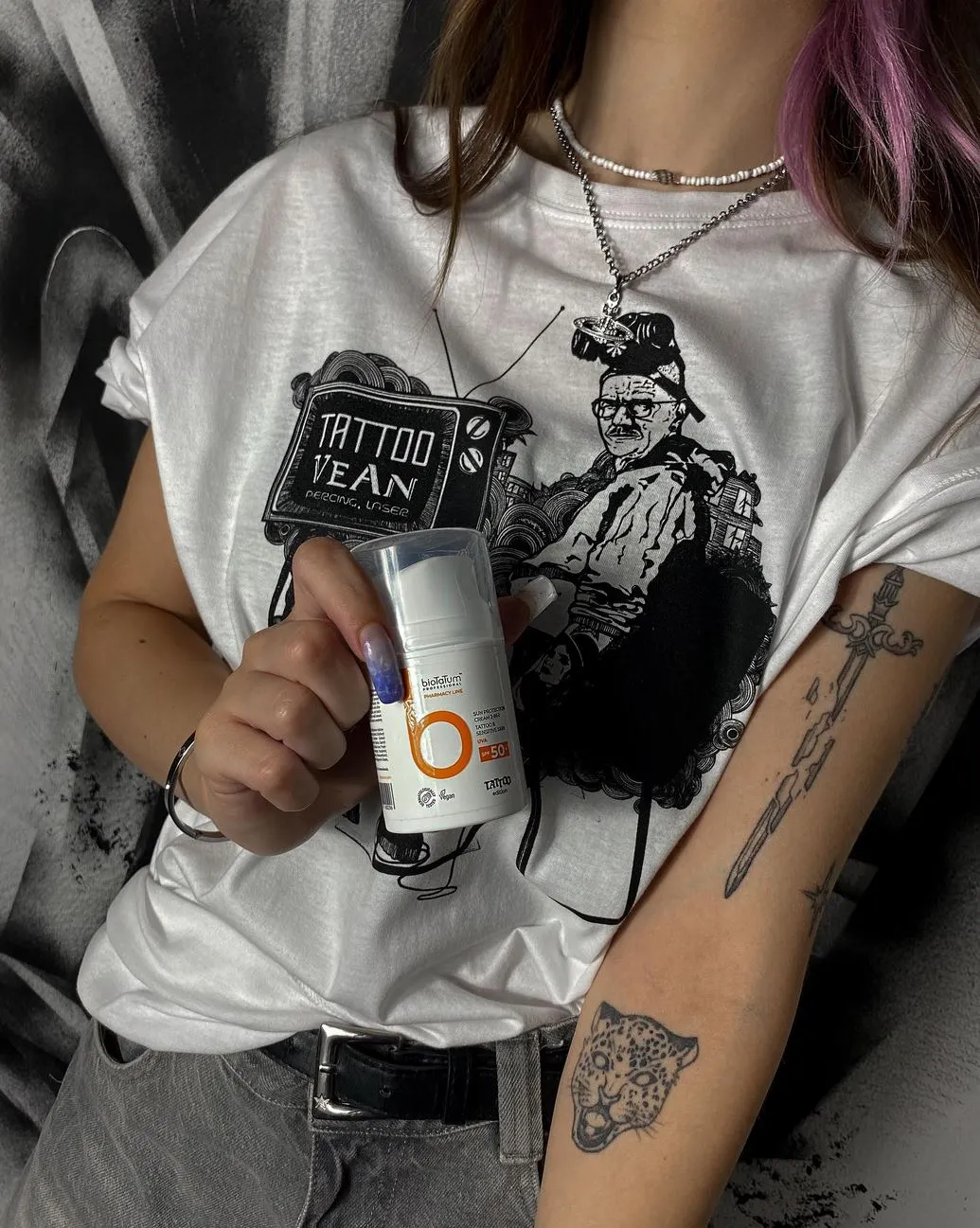
- Sun protection: Sun Screen Creams SPF 50 once peeling stops to prevent Tattoo colour fading.
Studio tip: We recommend an effective formula with moisture vapor balance — too occlusive and you’ll trap heat; too light and you’ll dry out.
Skin Types, Size of the Tattoo & Climate Considerations
The size of the tattoo and your skin type play a big role in how often you’ll reach for that ointment.
- Small tattoos: Heal faster but still need daily ointment in the first 10 days.
- Large-scale ink: Needs more hydration due to more moisture loss.
- Oily skin: 2x daily; overdoing it will clog pores.
- Dry/mature skin: 3x daily with a Pro-vitamin B5 cream.
- Brisbane humidity: Clean off sweat first, then apply.
Case example: One of our clients had a full sleeve and applied a tattoo ointment cream 3x daily for the first week. Despite the Brisbane summer heat, her skin stayed moisturised and avoided adverse events like raised bumps or scabbing.
Avoiding Infection & Adverse Events
Fresh tattoos are vulnerable. Without proper care, risks include bacterial infection, hepatitis B or hepatitis C (from unclean tools — that’s why choosing a licensed tattoo artist matters), or delayed healing.
Signs of infection to watch for:
- Swelling that gets worse after day 3
- Excessive pus or foul odour
- Severe allergic reaction (hives, blistering)
- Fever or chills
If you see these, don’t wait — see a GP.
Common Myths Tattoo Lovers Still Believe in 2025

- ❌ “The more ointment, the faster the healing process.”
- ❌ “Petroleum jelly is the ultimate protective layer.”
- ❌ “You can skip Tattoo Aftercare if you use a second skin bandage.”
Reality: An uncomplicated healing process depends on balance — clean skin, thin ointment and steady hydration.
How to Transition from Ointment to Lotion
Once the peeling subsides (usually day 10–14), it’s safe to switch to fragrance free lotion or light natural creams.
- Keep the skin moisturised with gentle body lotions.
- Add Sun Screen Creams SPF 50 every morning to prevent Tattoo colour fading.
- Hydrate daily — not just when it itches.
Studio note: We recommend tattoo enthusiasts treat their healed ink like cosmetic tattooing — long-term hydration equals long-term vibrancy.
Tattoo Aftercare: A Clinical Perspective
Recent Australian tattoo aftercare studies now use study questionnaire methods and clinical study follow-ups to measure outcomes. The consensus? Balanced aftercare routines work best.
- Effective formula ointments reduced adverse events by up to 25%.
- Subjects during visits who followed recommended routines showed improved natural skin barrier function.
- Tattoo lovers reported higher satisfaction scores when Pro-vitamin B5 ointments were used consistently.
Translation: It’s not about doing “extra” — it’s about doing the right steps consistently.
FAQ
Should I apply ointment 4–8 times a day if I have dry skin?
No. That’s too much. Stick to 2–3 times daily with a fragrance free lotion or Pro-vitamin B5 balm. Overdoing it risks clogged pores and delayed healing.
Can I use antibacterial soap every time before applying?
Yes — but stick to gentle antibacterial/antimicrobial soap. Harsh formulas strip the skin and slow the tattoo healing process.
Is second skin enough without ointment?
No. Second skin works well for the first few days, but once removed, ointment or supreme crème is essential for keeping skin moisturised.
Can ointment prevent Tattoo colour fading from sun exposure?
No. Once healed, use fragrance-free lotion with Sun Screen Creams SPF 50 daily. This will slow down fading.
What if I get a reaction after using ointment?
Stop and switch to a hypoallergenic, fragrance-free one. If infection occurs, see your GP.