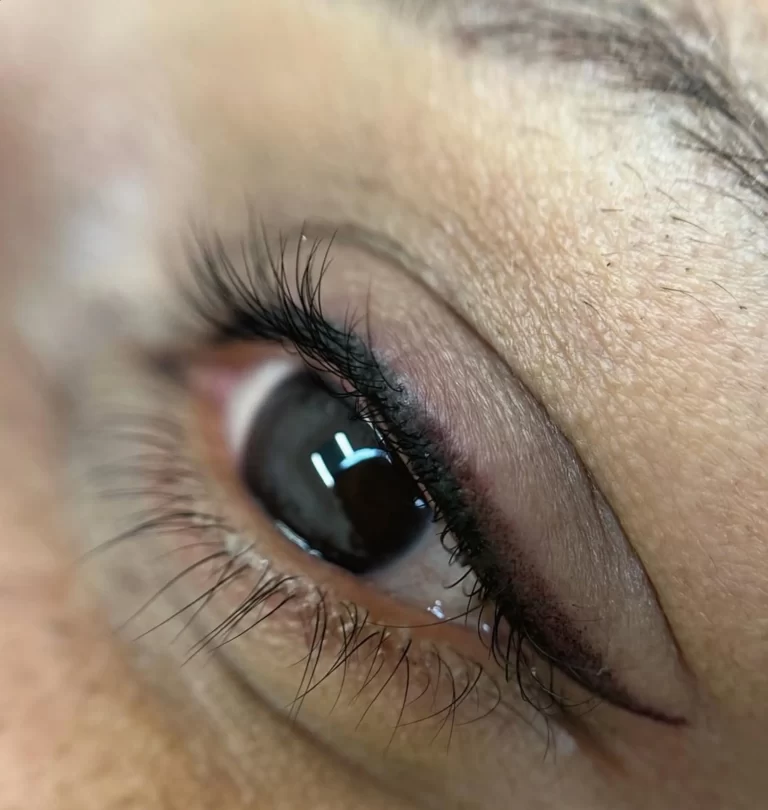
So let’s be real — what happens if you stop microblading is a question I get asked in studio every week. Whether you’re thinking of giving your skin a break from permanent makeup or wondering how your microbladed eyebrows will look without touch-ups, it’s good to know the healing process, pigment retention and how your natural brow hair will fit back in.
This guide gives you the lowdown on the microblading procedure, healing times, aftercare instructions and the long-term results if you stop maintaining your tattooed eyebrows.
Why People Stop
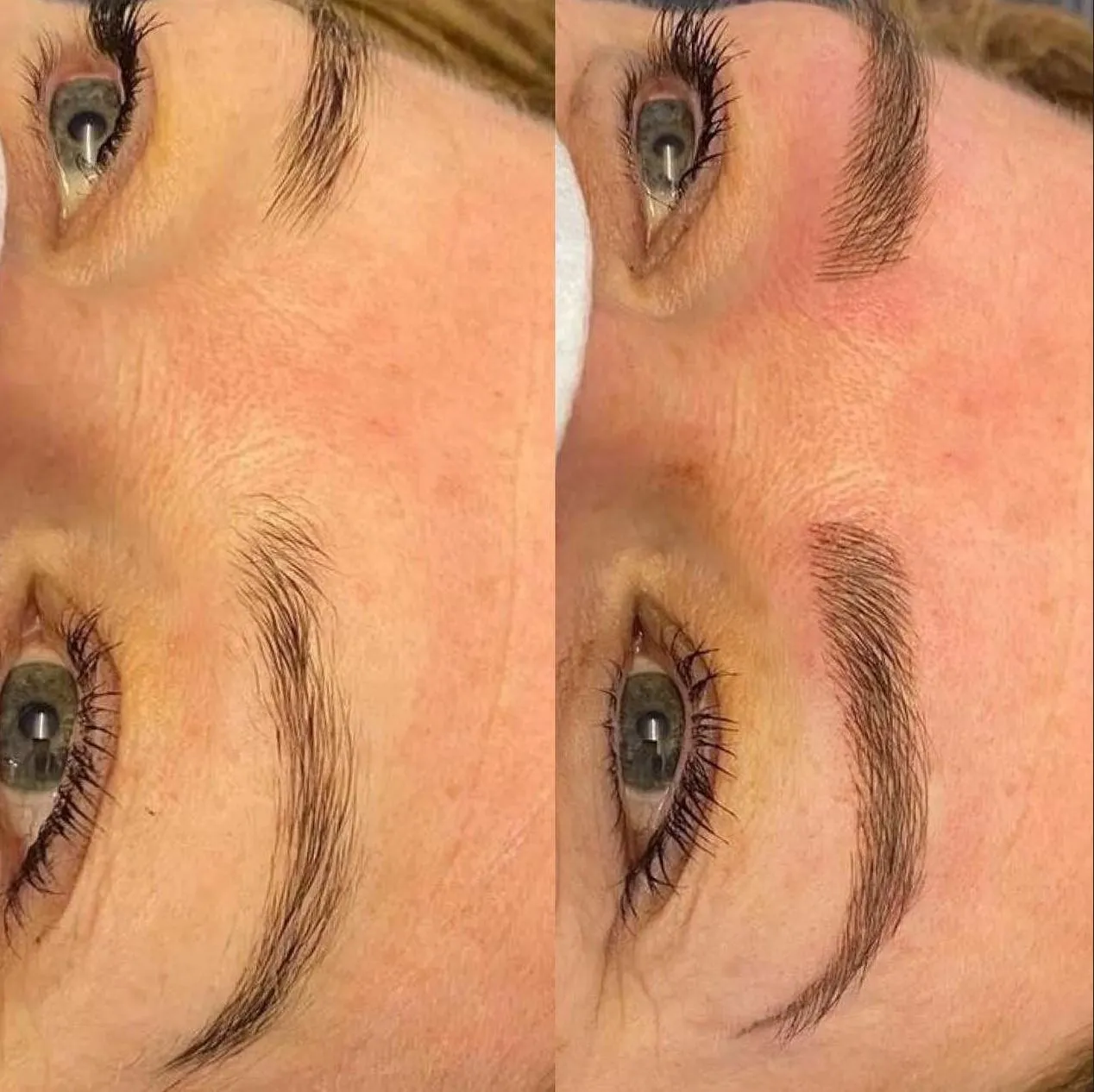
It’s not always about regret. Many clients stop their microblading treatment for reasons that make sense:
- Lifestyle changes: FIFO schedules, parenting or just less time for touch-up appointments.
- Skin type and changes: Oily skin types, melanin production or ageing skin can affect pigment retention.
- Style shifts: Some move from hair-like strokes to softer powder brows or even combination brows.
- Budget priorities: Cosmetic tattooing requires maintenance — a cost not everyone wants long-term.
- Healing concerns: Some don’t like the healing period with scabbing or ghosting phases.
What Fading Looks Like Over Time
Microblading results don’t disappear overnight. Pigment particles break down in the skin over time, especially with sun exposure, certain skincare products like Glycolic Acid or salicylic acid and natural skin regeneration.
| Time Since Last Microblading Procedure | Look of Brows | Contributing Factors |
|---|---|---|
| 6–12 months | Brows lighter, edges less crisp | Skin type, UV exposure, sunscreen SPF 30 use |
| 12–24 months | Patchiness, colour shifts (warm or ashy) | Pigment formulation, skincare with chemical peels |
| 2–3 years | Only faint hair-like strokes remain | Natural eyebrow hair fills some gaps |
| 3+ years | Mostly natural shape visible, possible ghosting phase | Lifestyle (swimming, outdoor activity) |
According to a 2025 dermatology team report in Australia, 74% of clients see noticeable fading within 18 months, especially in humid cities.
Healing Process If You Don’t Continue
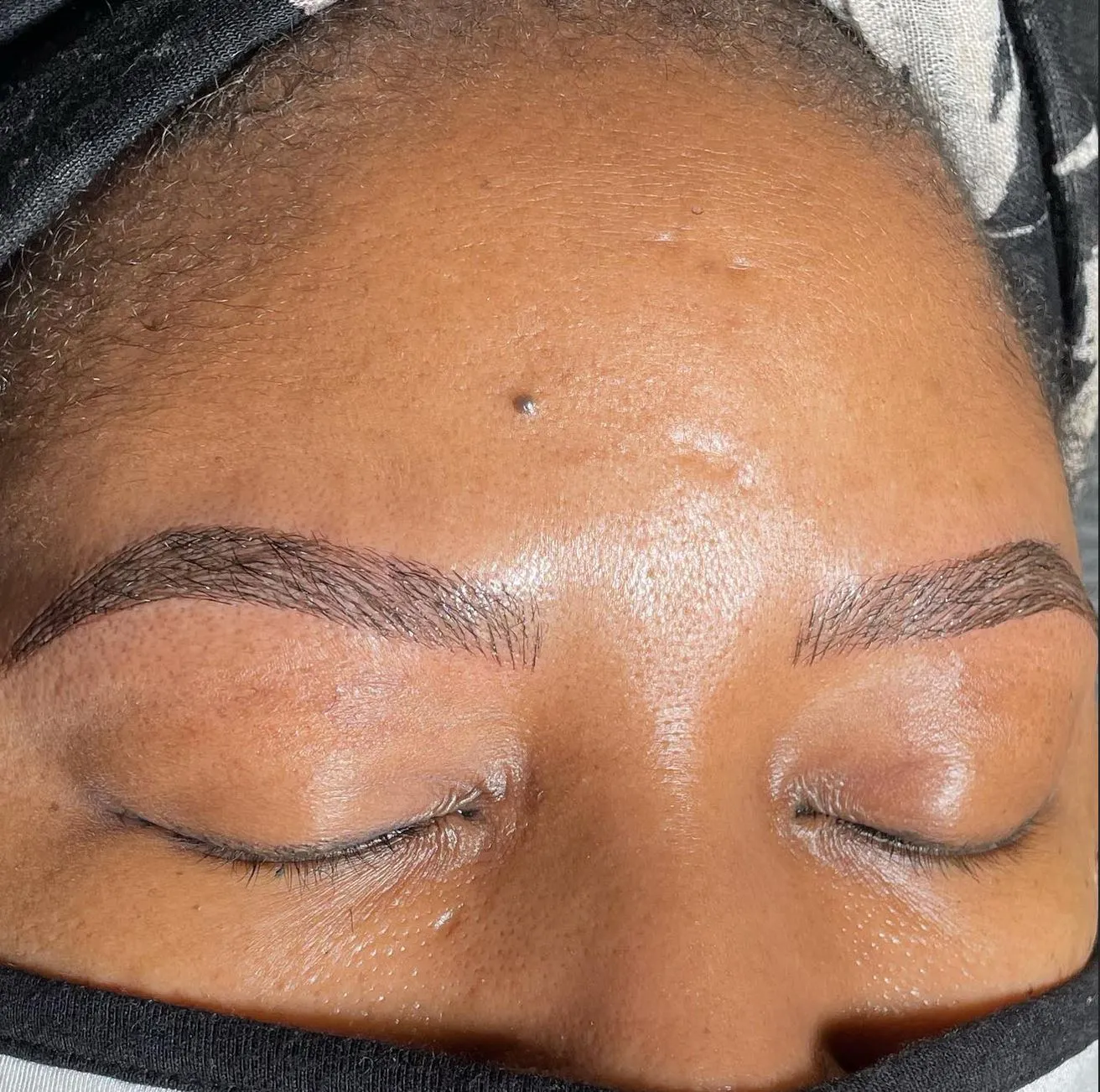
When you stop further touch-ups, your brows go through their own version of the healing process:
- First 6 months: Pigment retention slows; colour may soften unevenly.
- Scabbing phase: If you had a recent session, expect some microblading scabbing as lymph fluid dries.
- Ghosting phase: Brows may appear faint before pigment settles (common within the first year).
- After 2 years: Skin regeneration continues to break down pigment particles, leaving faint traces.
Your healing times will depend on your skin type, brow routine and if you expose your brows to sun without sunscreen SPF 30.
Does Skin Care Speed Up Fading?
Yes. Many skincare routine staples — though brilliant for anti-ageing — speed up pigment loss.
- Glycolic Acid & Salicylic Acid: Both accelerate skin cell turnover and fade pigment faster.
- Chemical peels: These penetrate deeper and can shorten microblading results significantly.
- Retinol products: Strong resurfacing effect, reduces pigment retention.
Pro tip from a microblading expert: If you’re not planning to continue your semi-permanent makeup, you don’t need to cut out these skincare heroes. Just know they’ll help brows fade faster.
Alternatives to Microblading
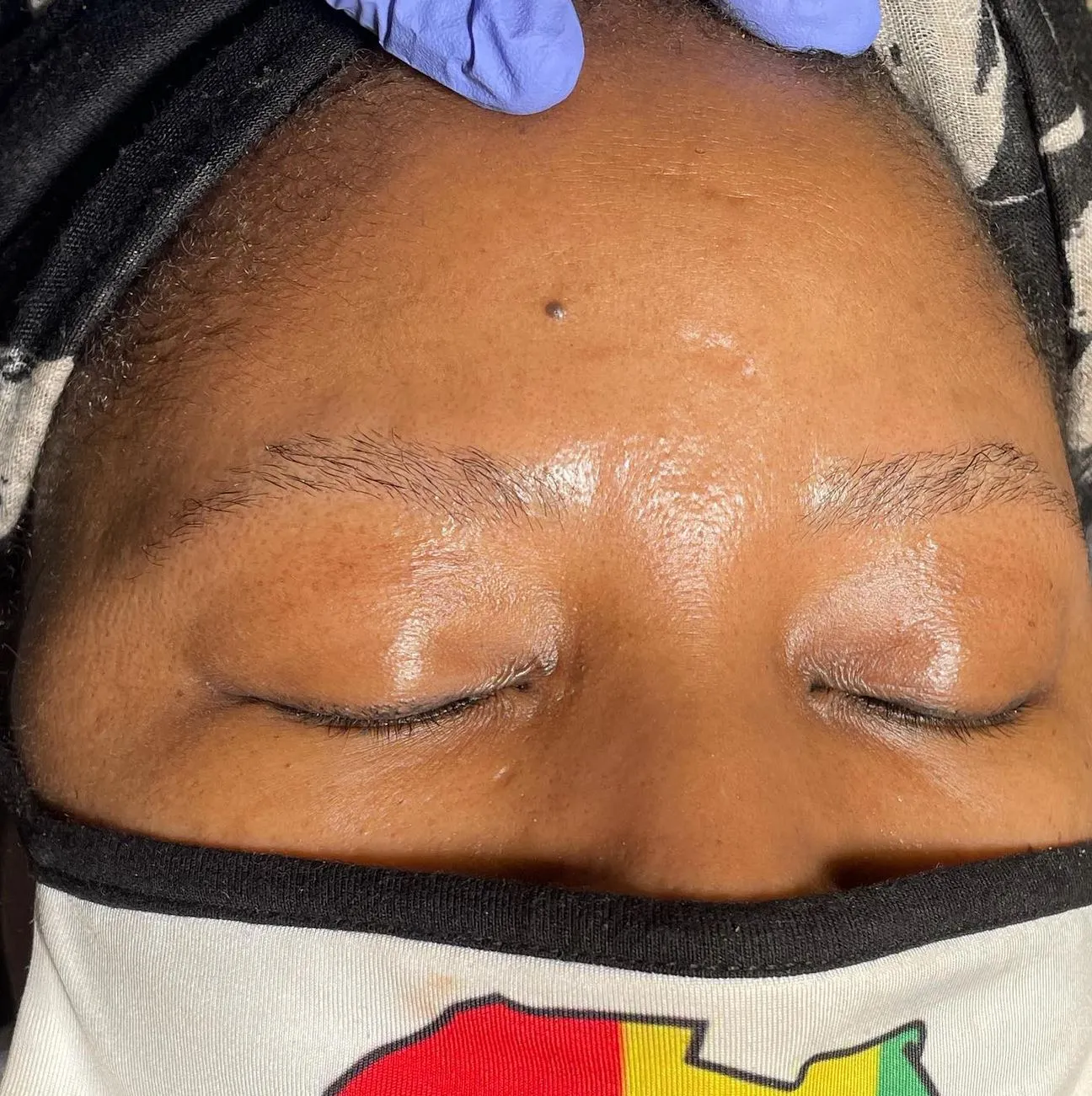
If you’ve decided to stop, here’s what you can consider instead:
- Brow Lamination and Tinting: Works wonders for natural shape. Great if you’ve got some natural eyebrow hair to style.
- Powder Brows or Combination Brows: A semi-permanent technique that gives softer shading instead of crisp strokes. Ideal for those with oily skin types who struggle with microblading techniques.
- Saline Solution Removal: A gentle way to lighten tattooed eyebrows without lasers. Popular if you want to correct old pigment formulation or colour corrections.
- Laser Treatments: Options like Q-switched lasers, Gateway Laser and picosecond lasers break down colour pigment safely. Always ensure your laser technician provides protective eyewear and uses the right laser energy for cosmetic tattoo removal.
Will My Natural Brow Hair Grow Back?
One of the biggest myths: microblading stops brow hair growth. Nope. Microblading techniques (including 3-D eyebrow embroidery) only work in the upper dermis. Follicles are left untouched.
Most clients report that their natural brow hair looks the same as it did before microblading. Some even notice healthier growth after years of over-plucking.
Safety Concerns and Red Flags
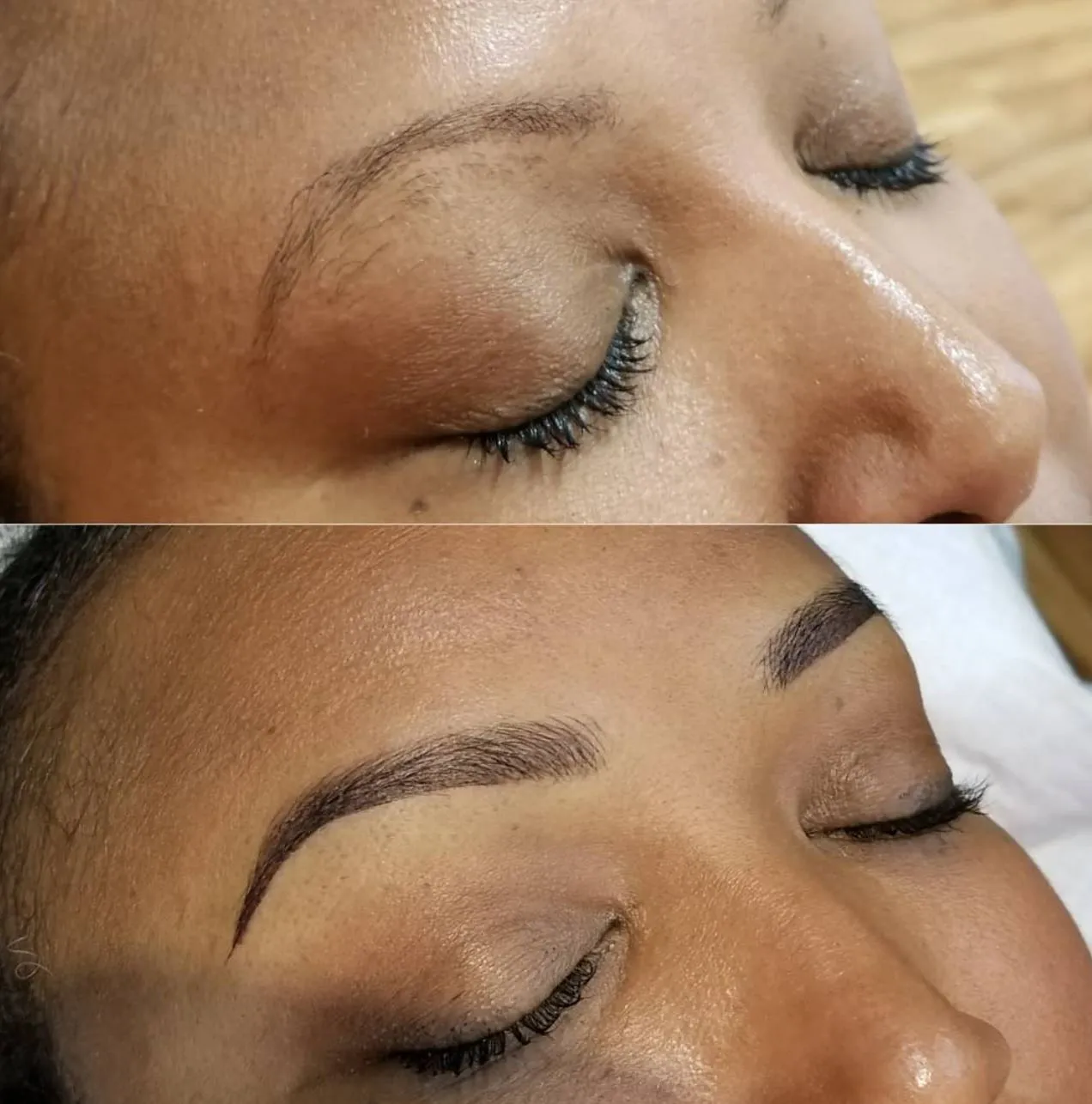
If you’re letting your brows fade naturally, keep an eye out for:
- Unusual colour changes: Green, red or blue undertones may mean pigment formulation issues.
- Allergic reactions: Rare, but can appear years later.
- Scarring or thickened skin: Consult a cosmetic tattoo artist or dermatology team.
If you see raised scarring, prolonged redness or swelling beyond normal healing times, it’s a red flag — book in with a microblading expert or dermatologist.
Cost Comparison: Letting vs Stopping
| Option | Cost Range | Notes |
|---|---|---|
| Annual microblading touch-up appointment | $300 – $500 | Maintains crisp hair-like strokes |
| Brow lamination & tint | $80 – $120 | Every 6–8 weeks |
| Saline solution removal | $200 – $350 per session | May need multiple |
| Laser Tattoo Removal | $250 – $500 per session | More effective on dark pigment |
| DIY Brow Pencil / Powder | $20 – $50 | Needs daily effort |
Emotional Adjustment
Stopping semi-permanent makeup can feel like a break-up. Here’s the emotional timeline I’ve seen in my Brisbane studio:
- 6 months: Relief from less aftercare and no touch-up appointment stress.
- 1 year: Frustration with patchy fading or the ghosting phase.
- 2 years: Acceptance and a new brow routine with brow stylist services or makeup.
Pro Aftercare Tips for a Smooth Fade
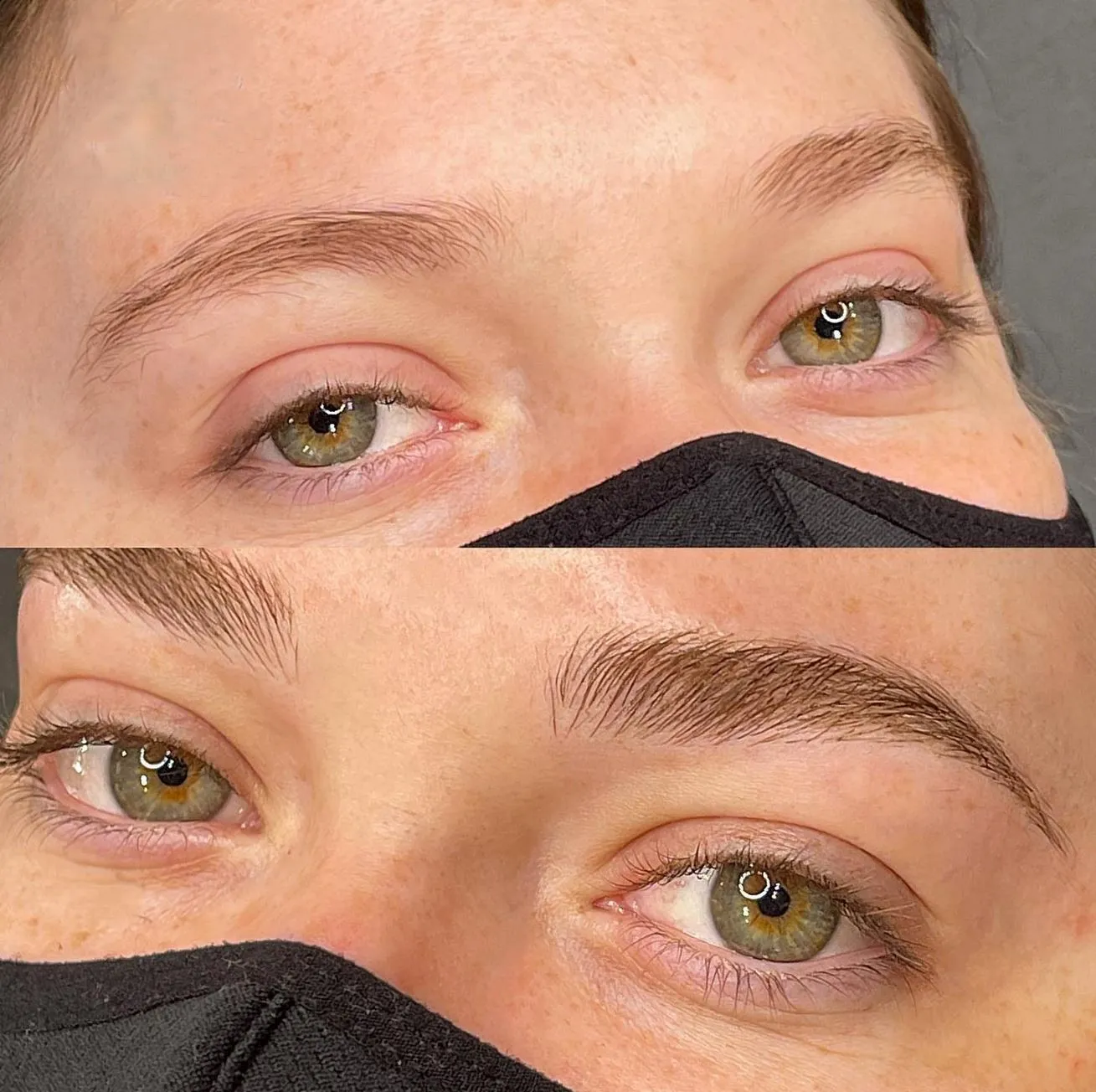
Even if you’re quitting, your skin deserves some love:
- Always apply sunscreen SPF 30 on brows when outdoors.
- Skip harsh scrubbing during the healing period.
- Don’t pick at scabs — let lymph fluid dry naturally.
- Use hydrating products without active acids to comfort the skin.
- Consider light brow tinting to balance patchiness.
Final Word: Should You Stop?
If you’re weighing up what happens if you stop microblading, here’s my seasoned advice:
Your brows won’t disappear — they’ll just go back to your natural shape, supported by your skincare routine, lifestyle and options like brow lamination or tinting.
FAQs
1. Will stopping microblading ruin my brow shape?
No. Your natural brow shape will return gradually. Makeup or tinting can help during the ghosting phase.
2. Can I use Glycolic Acid or salicylic acid while pigment fades?
Yes, but be aware they’ll speed up pigment loss and shorten healing times.
3. What’s safer: saline removal or laser treatments?
Both work. Saline is gentler on sensitive skin types, while picosecond lasers or Q-switched laser technology are more effective for stubborn pigment particles.
4. Do I need to see a dermatology team when I stop?
Not always. But if you notice allergic reactions, scarring or odd colour shifts, it’s wise.
5. Is brow lamination a good replacement for microblading?
Yes — especially if you’ve got natural eyebrow hair. It gives a fuller look without cosmetic tattooing.