If you’ve been side‑eyeing that old piece of tattoo ink and wondering whether the removal process is worth the time, money, and discomfort, you’re not alone. In my studio, I’ve worked with clients ranging from corporate professionals covering up professional tattoos to mums who want to fade old eyebrow microblading.
This isn’t a hype piece. It’s about giving you the grounded truth — from laser procedures and side effects to realistic timelines and the actual cost of laser tattoo removal.
Why People Remove Ink
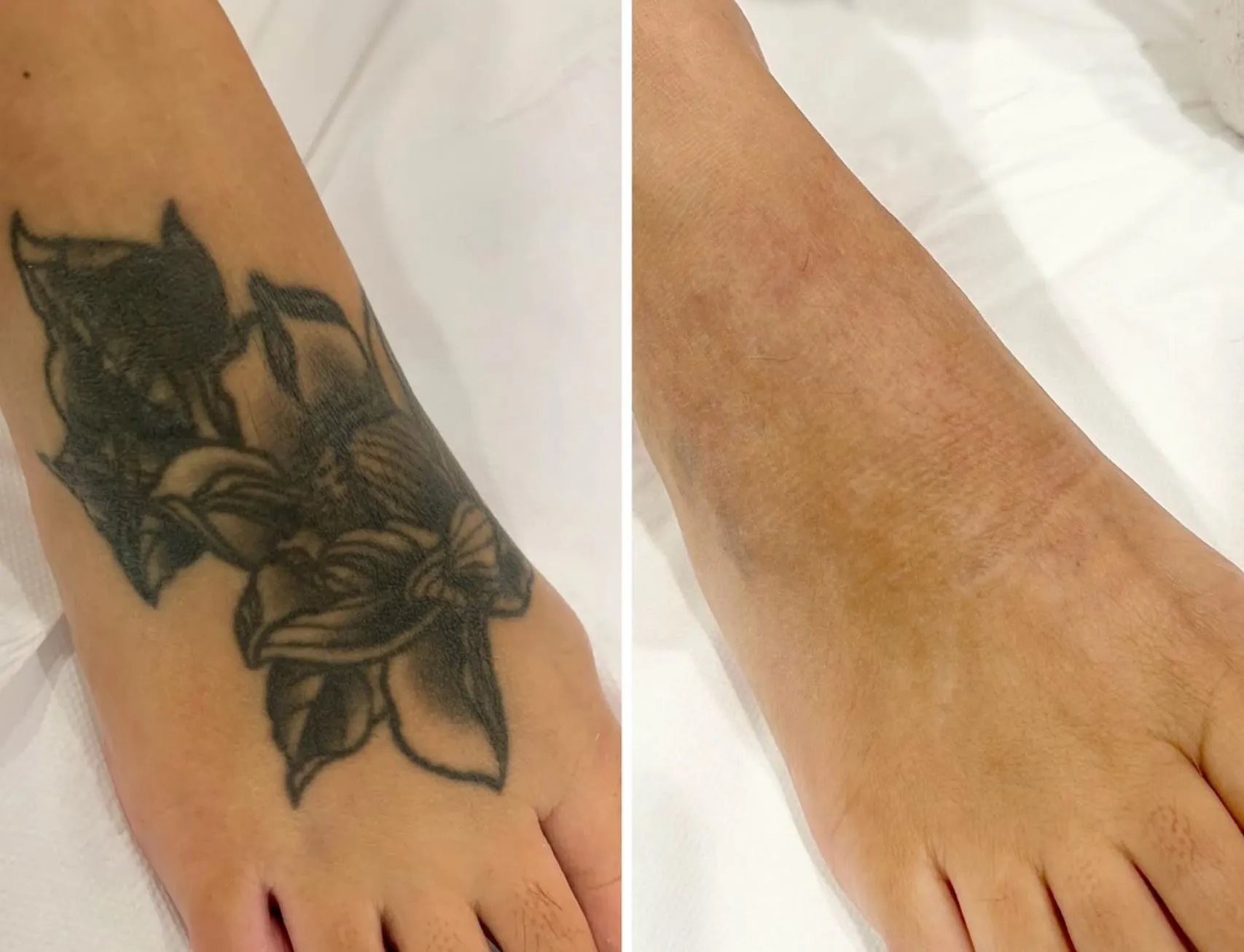
Tattoos can feel like snapshots of our lives — but sometimes, they don’t age as well as we do.
Common reasons people visit my studio or local tattoo parlors for removal:
- Tattoo regret (names, poorly done designs, or old trends).
- Career changes where visible ink isn’t welcomed.
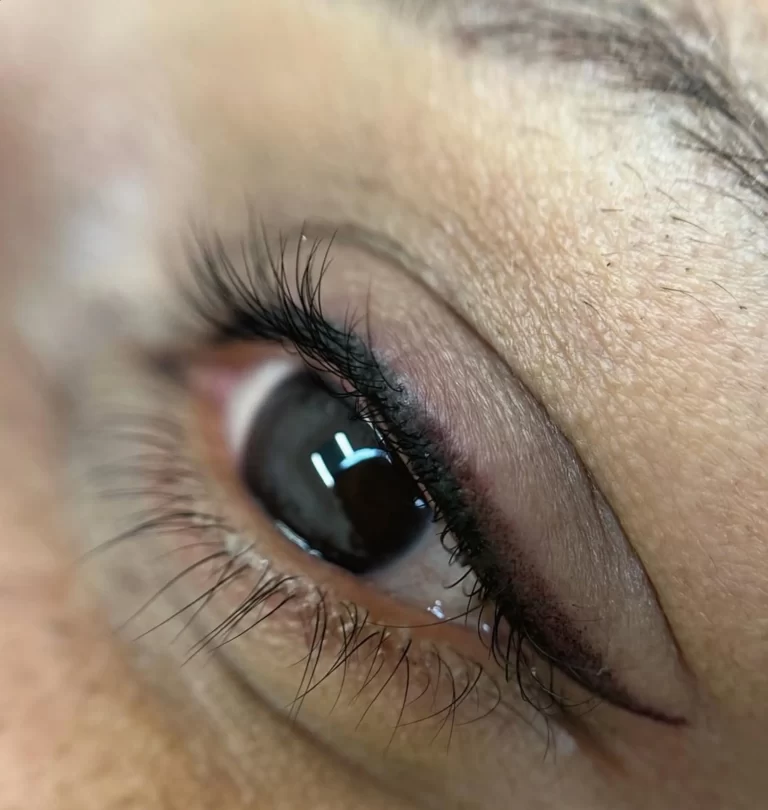
- Cosmetic procedures gone wrong, like uneven brows or eyeliner.
- Health concerns, including skin lesions or allergic reactions to certain tattoo pigments.
- Prepping for cover‑up work by a trusted tattoo artist.
Your body plays a huge role too: the immune system helps flush out the ink particles broken down during laser removal.
How Laser Works
Here’s the science in simple terms: laser light targets tattoo pigments in your skin. With devices like Q-switched lasers, Nd:Yag laser, or the newer pico lasers (like PicoSure technology), the laser energy breaks ink particles into tiny fragments.
Your lymphatic system then clears them away over weeks.
The Variables:
- Tattoo colours & ink colours: black ink responds fastest, while greens, yellows, and reds are trickier.
- Skin tone & Fitzpatrick skin types: lighter tones generally respond better, but correct laser parameters and spot size make removal safe for darker tones too.
- Tattoo depth & tattoo location: deeper and thicker permanent ink in areas with less circulation (like ankles) takes longer.
- Laser device: PicoSure lasers and picosecond lasers work faster than older machines.
Pain Threshold and Comfort Levels
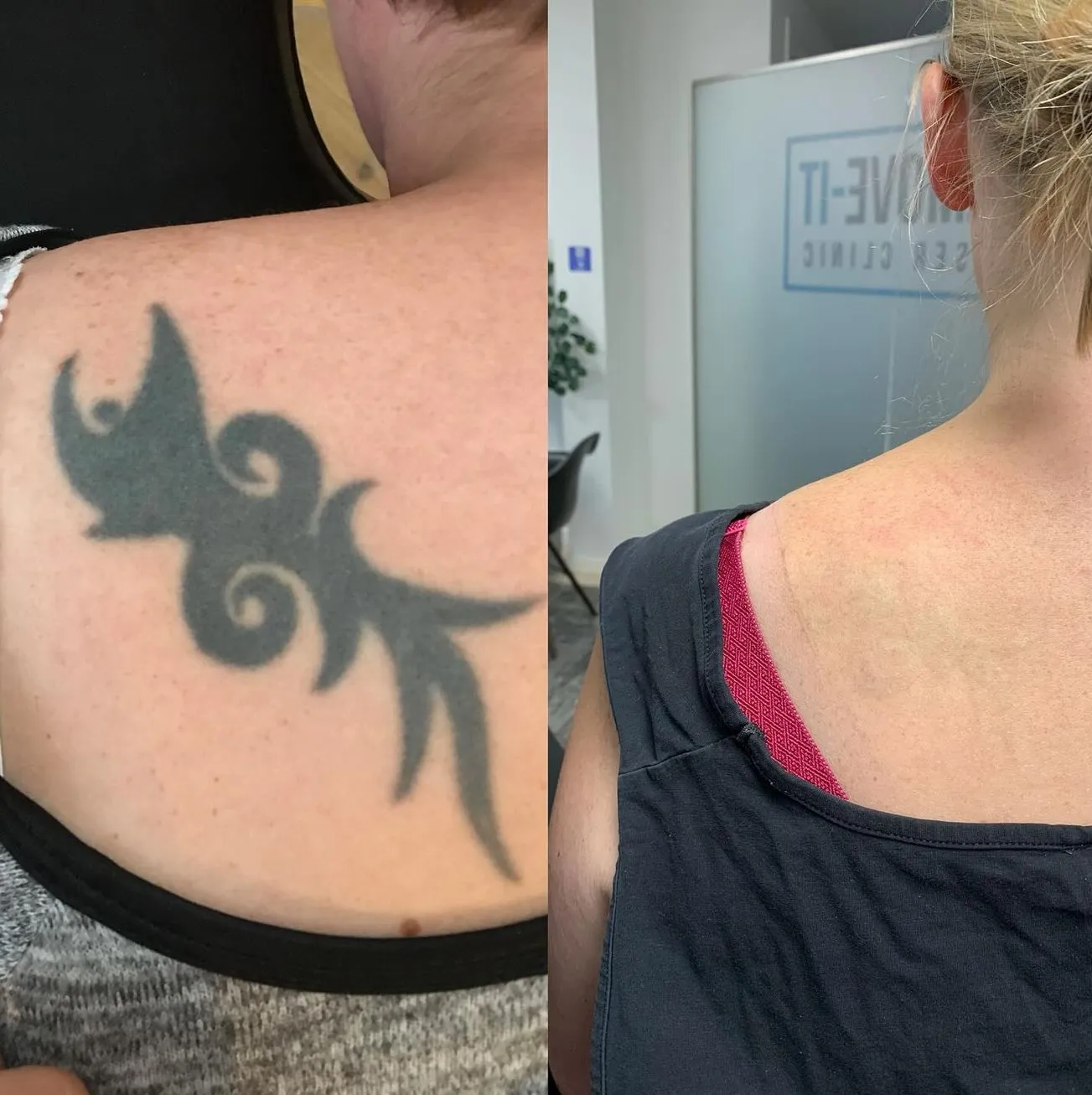
We won’t sugarcoat it: most people say laser tattoo removal is more uncomfortable than getting the tattoo itself.
Clients describe it as:
- A laser zapping like hot elastic bands.
- Sharp but quick pulses of laser light.
Pain threshold varies, but we use numbing cream and cooling tools to take the edge off.
Average client feedback (Pain Scale):
- Tattooing: 5–7/10
- Removal: 7–9/10
The Healing Process and Recovery Time
Every zap is controlled trauma. That’s why doctors stress aftercare.
Typical Healing Stages:
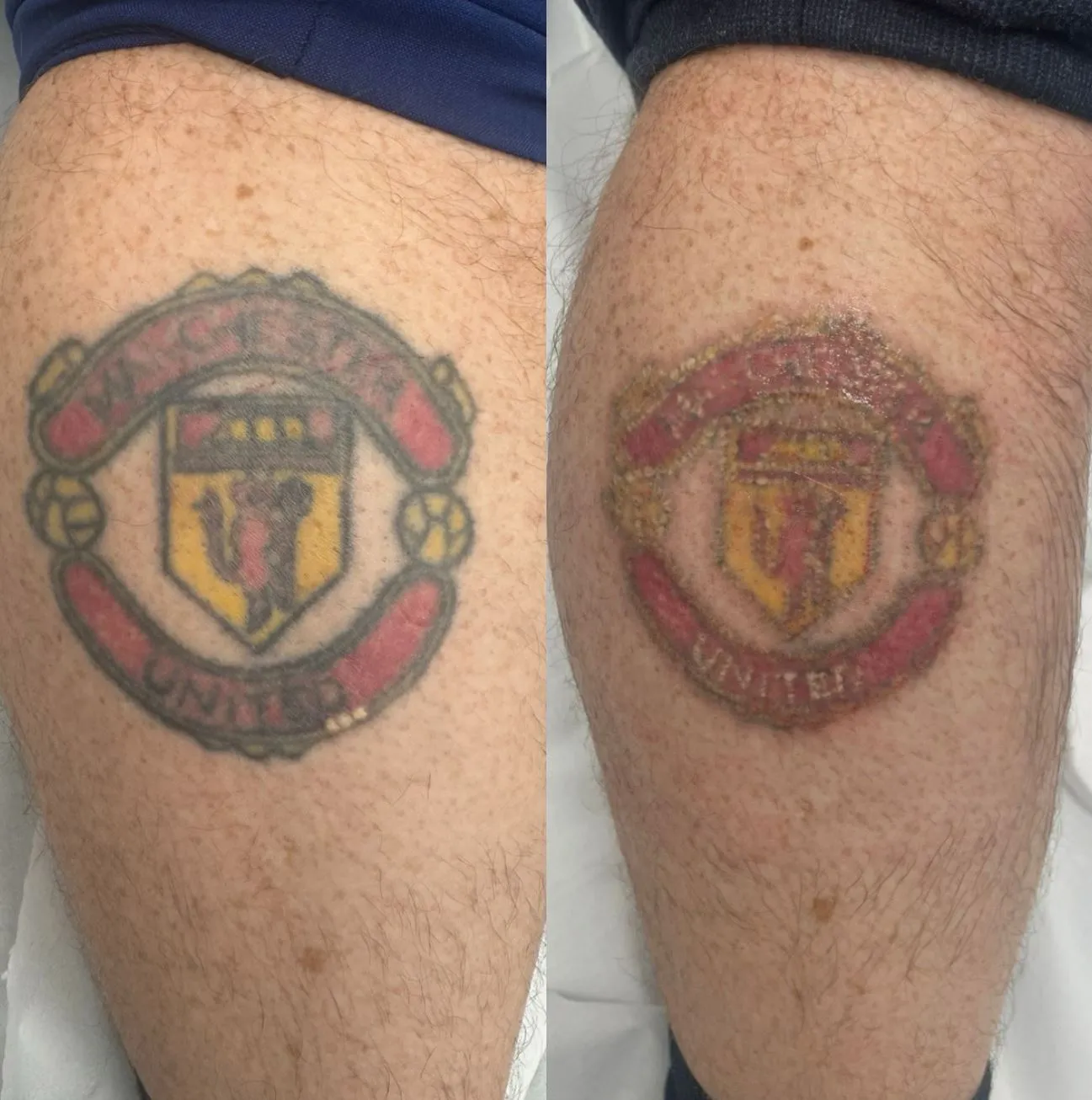
- Immediately after: redness, swelling, frosting
- Day 1–3: possible blistering
- Week 1–2: scabbing, skin irritation, and peeling
Recovery time: about 6–8 weeks before your next session
Side effects are possible, including skin discolouration or mild scarring. Using zinc oxide sunscreen helps prevent pigment changes during healing.
How Many Sessions You’ll Need
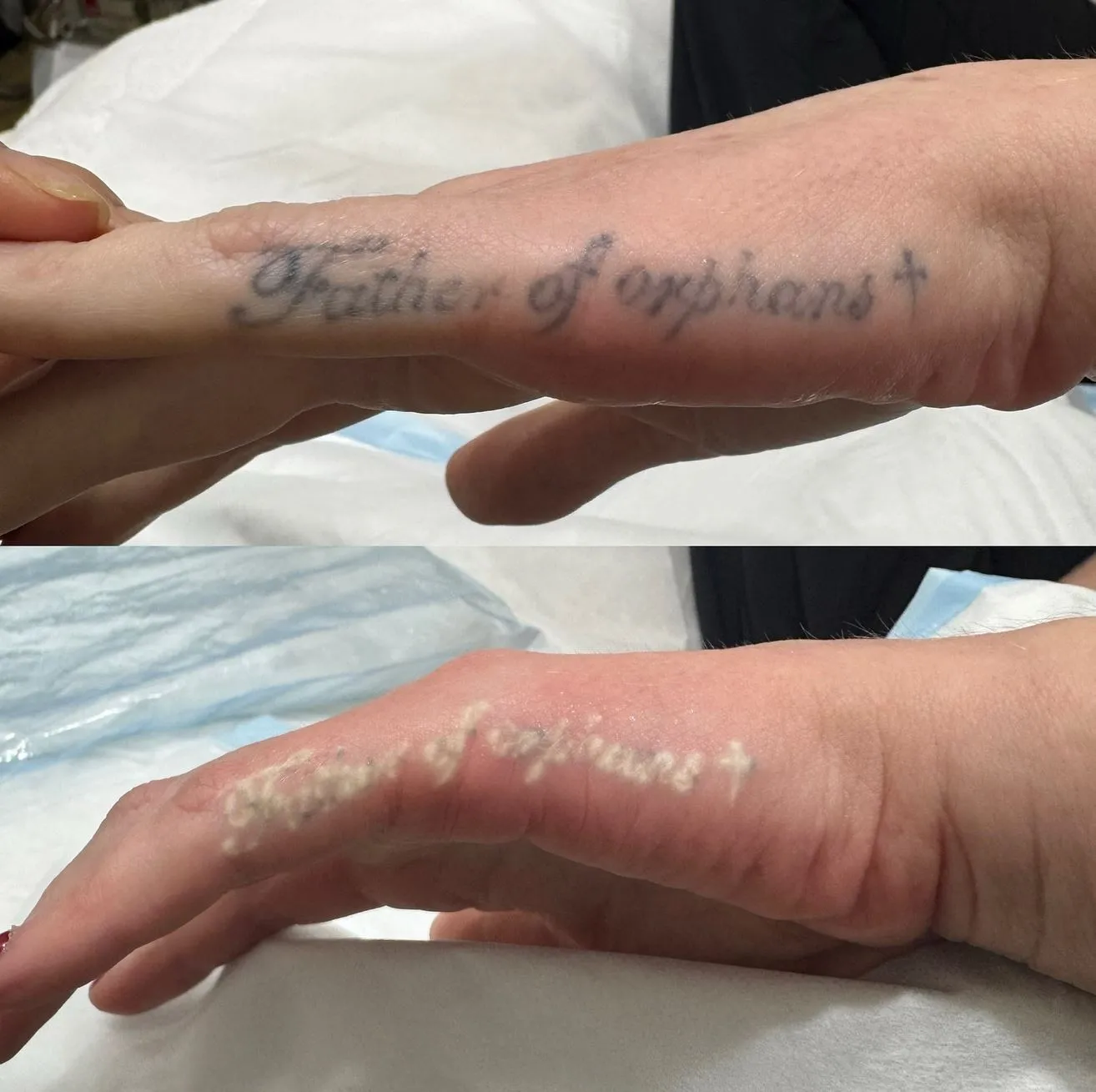
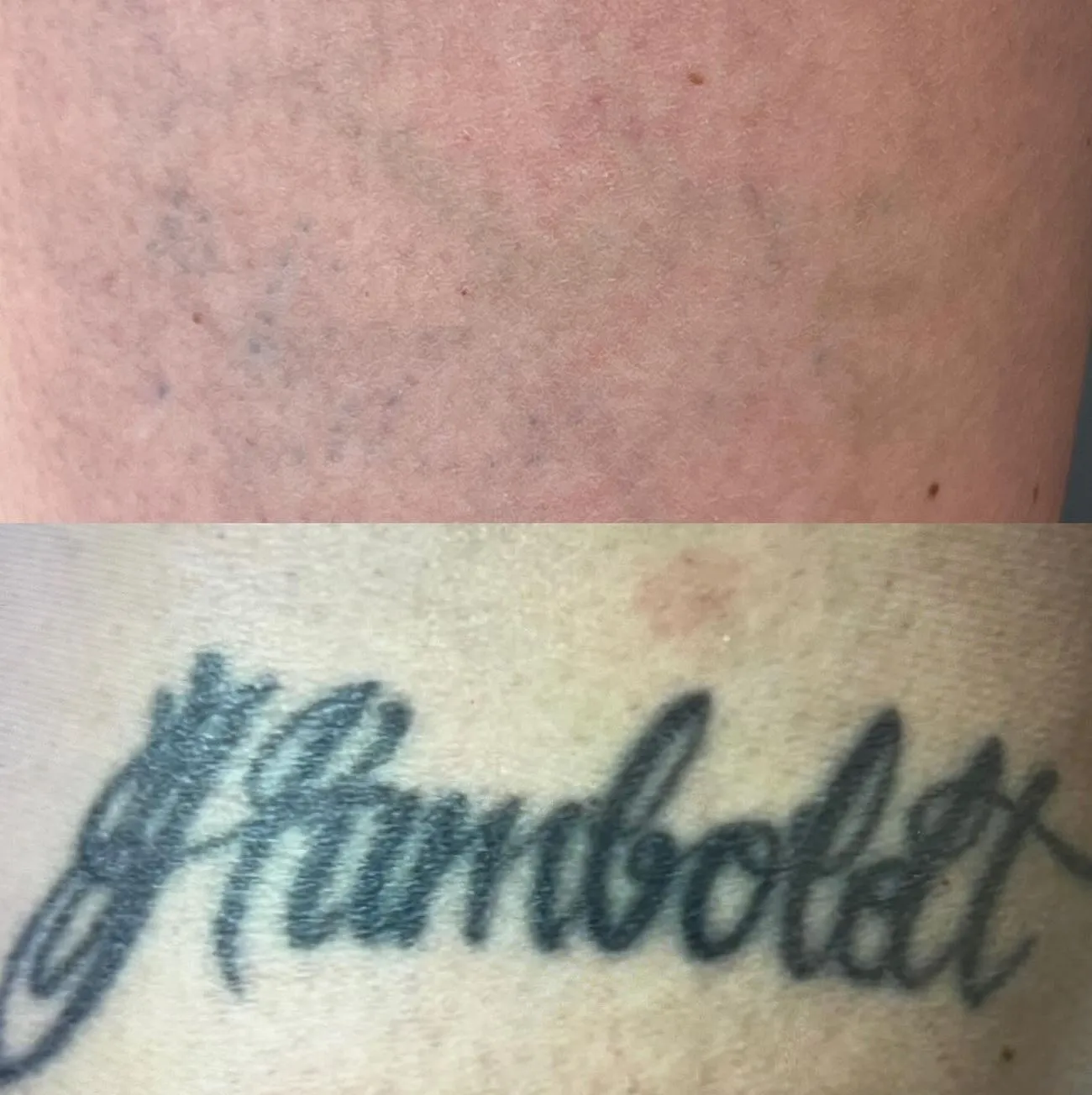
The average treatment plan in Brisbane is 6–12 sessions, depending on:
- Tattoo colours and density
- Skin type (measured on the Fitzpatrick Skin Scale)
- Tattoo depth and age
- Quality of the laser tattoo removal machine
Session time: 15–45 minutes.
Session frequency: 6–8 weeks apart for safe healing.
Cost: What to Expect
Let’s be real: the cost of tattoo removal is the biggest factor.
| Tattoo Size | Cost Per Session (AUD) | Sessions | Estimated Total |
|---|---|---|---|
| Small (coin size) | $90–$150 | 6–8 | $540–$1,200 |
| Medium (palm) | $150–$250 | 8–10 | $1,200–$2,500 |
| Large (half sleeve) | $300–$500 | 10–12 | $3,000–$6,000 |
Other Options
- Surgical excision (for very small tattoos).
- Tattoo lightening for cover-ups.
- Camouflage cosmetic procedures for cosmetic tattooing.
- DIY tattoo removal creams (not recommended due to poor results and risk of skin damage).
Still laser treatment is the safest, most effective when done by trained professionals.
What’s New in 2025
The industry is buzzing about PicoSure technology and picosecond lasers, which reduce the number of treatments.
Recent stats show:
- 42% of Australians considering removal in 2025 are looking for newer, faster laser treatments.
- Australian Removery locations reported higher success rates with pico lasers than older Q-switched lasers.
- Social media and advertising have normalised tattoo fading before cover-ups so the process is more mainstream.
Who Shouldn’t Get Laser Tattoo Removal?
Not everyone’s skin is suitable.
- Fitzpatrick skin types IV–VI need extra care to avoid skin hyperpigmentation.
- People with active skin conditions (eczema, psoriasis) should wait.
- Pregnant or breastfeeding clients should wait.
A qualified tattoo artist or medical professional can assess suitability.
The Verdict: Is It Worth It?
So, is laser tattoo removal worth it?
- Yes if you’re willing to pay the cost, healing time, and wait.
- Yes if that old tattoo is holding you back, career or comfort wise.
- No if you’re looking for one session magic or want to avoid side effects.
At the end of the day, your treatment plan should be guided by a reputable aesthetic clinic, not TikTok trends.
FAQs
1. Can laser remove all tattoo colours?
Not quite. Black ink is easiest, greens and yellows need more sessions.
2. What laser tattoo removal machine is best?
Picosecond lasers like PicoSure lasers show faster results than older Nd:Yag laser systems.
3. How long is the downtime?
Most clients need 6–8 weeks between sessions for the immune system to clear the ink and the skin to heal.
4. Is laser removal safe on all skin tones?
Yes, with the right laser parameters. Clinics use the Fitzpatrick Skin Scale to adjust laser energy for your skin type.
5. Are creams or chemical peels a good alternative?
No — tattoo removal creams and trichloroacetic acid peels don’t work and can cause skin lesions.