Let’s get to the point: if you’ve just had your brows microbladed, the aftercare you do now will determine how they look for months to come. And one of the biggest questions clients ask in our Melbourne studio within 24 hours of their microblading appointment is: what ointment is good for microblading aftercare? Don’t grab any old balm off your bathroom shelf. What you put on your brow area matters — a lot.
Whether you’re in the thick of the healing process or just doing your research ahead of time (smart move), this guide breaks down what works, what doesn’t and what your skin actually needs.
Your Skin After Microblading: What’s Actually Happening

Your freshly microbladed eyebrows are not just pigment sitting pretty — they’re a series of tiny cuts made with a microblading hand tool. Think of it as controlled skin trauma. That means your skin is now in recovery mode.
- Inflammation kicks in immediately after the microblading procedure
- Lymph fluid seeps out within the first few hours (you’ll blot this with a clean cotton pad)
- Scabbing and peeling typically start around day 3
- Full healing takes anywhere from 4 to 6 weeks, depending on skin type and skin regeneration speed
During this time, your goal is simple: support skin recovery, prevent infection and maximise pigment retention. The right healing balm or tattoo balm supports all three.
The Role of Ointment in Brow Healing
Moisture is your friend — but not too much. The ideal post-procedure tattoo aftercare balm acts like a breathable shield. It keeps the skin slightly hydrated, softens scabs (so they don’t crack and flake prematurely) and prevents environmental bacteria from crashing the party uninvited.
But too much ointment? You’ll smother the skin and block pores or delay skin recovery.
Look for:
- Occlusive properties (e.g. petroleum, beeswax, coconut oil) to lock in moisture
- Healing ingredients like calendula, panthenol (Vitamin B5), Vitamin A or allantoin
- Fragrance-free, lanolin-free, dye-free formulas to minimise irritation
- Low shine or matte finishes, so your brows don’t look greasy
Ingredients to Avoid Like a Bad Brow Job

The wrong product can ruin your microblading results faster than you can say “patchy eyebrows”.
- Fragrance or essential oils — common allergens that can irritate the microbladed area
- Lanolin — soothing for some, but often comedogenic and a contact allergen
- Heavy alcohols — dry out the skin and disrupt healing
- Antibiotic ointments (like Neosporin) — too harsh, can alter semi-permanent pigment retention
Also, avoid anything tinted, exfoliating or “anti-ageing” — including AHA products or retinol products.
Ointments We Actually Recommend in the Studio
| Product | Key Features | Pros | Cons |
|---|---|---|---|
| Hustle Butter Deluxe | Shea, mango, aloe, coconut, no petroleum | Vegan, smooth texture, easy to apply | Slight scent (natural oils), not for very oily skin |
| Bepanthen (Nappy Care Ointment) | Dexpanthenol (5%), lanolin-free | Widely available, trusted by derms | Slightly sticky, can be over-applied |
| Stratacel | Film-forming wound dressing gel | Medical-grade, no shine, great barrier | Pricey, hard to find in chemists |
| Skinstitute Rejuvenate 15 | Vitamin E, peptides, botanical oils | Australian-made, great for dry/mature skin | Contains fragrance, patch test first |
| After Inked Tattoo Moisturiser | Grape seed oil base, paraben-free | Used widely in tattoo care, very light | Can dry too fast on flaky skin |
Pro tip: Use your chosen ointment sparingly — a grain of rice per brow. Dab gently, don’t rub the microbladed area.
Do You Even Need Ointment? (Yes, But With Boundaries)

You may have heard of the “dry healing” method. It’s out there. Some artists swear by it. But here’s the deal:
In Melbourne’s crazy weather — from dry winter winds to humid summers — we find a balanced approach works best. That means cleaning the brows gently and applying a thin layer of healing balm once or twice daily during the flaking phase (usually days 2 to 7).
- Oily-skinned — you may need less
- Dry or mature — you’ll likely need more frequent applications
Always chat with your microblading artist about your skin type. At our studio we tailor aftercare instructions to your lifestyle, work environment and even sleeping habits (side sleepers, we see you).
When to Start and Stop Using Aftercare Ointment
Timing is everything. Here’s what we recommend post microblading session:
- Day 1 (the day of treatment): No ointment yet. Just blot gently every 30–60 mins to remove lymph fluid.
- Days 2–7: Apply a light layer of healing balm 1–2 times a day, after gently cleansing the brow area with distilled water.
- Days 8–14: Scale back. You may not need ointment unless your skin is still flaky or tight.
- After 2 weeks: Switch to a lightweight moisturiser or facial oil (rosehip, jojoba) if needed.
Real Talk: What Happens If You Use the Wrong Product?
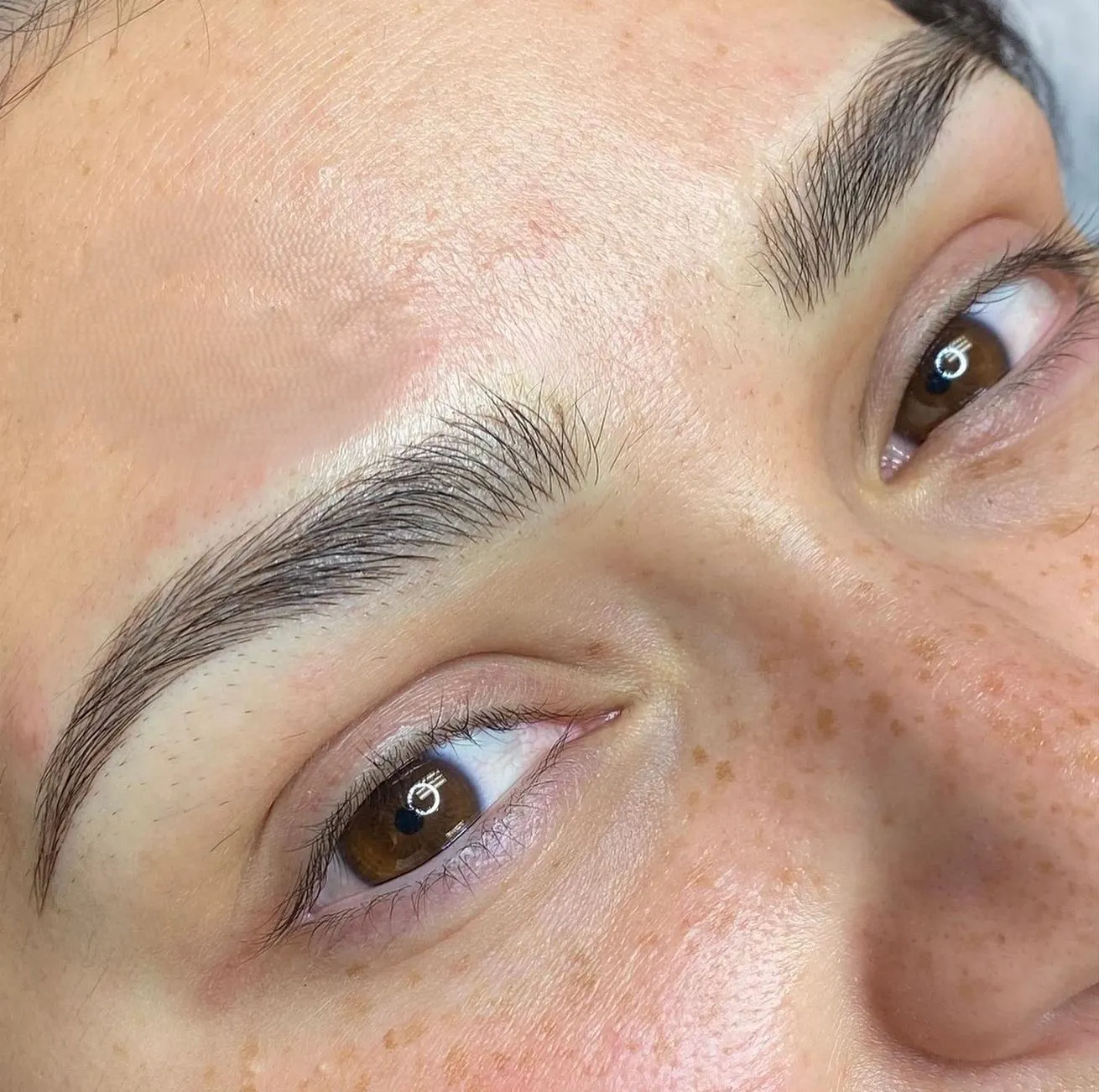
We’ve seen it all: thick scabs, pigment fallout, even contact dermatitis. Here are the biggest risks:
- Over-occlusion: Thick, greasy balms can suffocate the skin and prevent oxygen flow
- Allergic reactions: Common with lanolin or essential oil-based products
- Pigment fading or distortion: Uneven healing can cause patches or premature fading
- Infection: If the balm traps bacteria or isn’t applied with clean hands
When in doubt, check with your cosmetic tattoo site or artist before using a new product. Screenshots and ingredient lists are always welcome.
What 2025 Data Tells Us About Aftercare Trends
According to a 2025 survey by the Cosmetic Tattooing Association of Australia:
- 78% of artists recommend ointment-based healing over dry healing
- 62% of clients experienced better pigment retention when following guided aftercare with ointment
- Only 11% used pharmacy-bought creams without consulting their artist
- Clients who followed custom aftercare plans reported higher satisfaction and needed fewer perfection visits.
Final Tips from the Treatment Room
- Wash your hands before every application. Seriously.
- Use a clean cotton bud — no double-dipping into the ointment pot.
- Less is more. A greasy brow is not a healed brow.
- No picking, no scratching. Ride out the flake.
- Avoid swimming in chlorinated pools, hot tubs, salt water, and sun exposure for 10–14 days.
- Shield your brows from UV rays with sunscreen SPF 30 once fully healed.
FAQs
Can I use pawpaw ointment on my brows after microblading?
Not ideal. Most pawpaw ointments contain petroleum and fragrance, which can clog healing skin or cause irritation. Choose a balm specifically recommended for tattoo care.
Is Vaseline safe for microbladed brows?
Petroleum jelly is highly occlusive and can trap too much moisture. We don’t recommend Vaseline as it can delay healing and cause pigment loss.
How often should I apply aftercare balm?
Usually, 1-2 times a day is enough for most skin types. Overapplying can hinder healing.
Do I need to use ointment if I have oily skin?
Yes, but go light. Oily skin still needs protection, just less of it.
What if my brows start to itch?
That’s normal! Itching means healing is happening. Don’t scratch — a little ointment will help.