Does laser hurt more than Brazilian waxing? If you’ve ever winced through a wax strip or flinched during a zap of laser, you’re not alone. This is one of the most common questions I get in my Melbourne beauty studio—especially when clients are sick of the hair removal cycle but not sure if they’re ready to trade hot wax for high-tech beams. So let’s break it down.
Whether you want to smooth out your bikini line or finally get rid of ingrowns, choosing the right hair removal method is about more than just pain. It’s about long-term results, skin health, time commitment and your pain tolerance. And spoiler alert: neither is completely painless, despite what some ads might tell you.
Pain isn’t one-size-fits-all: What really affects discomfort levels
There’s no universal pain scale when it comes to beauty treatments. What feels like a rubber band snap to one person might be unbearable to another. But when we’re comparing laser treatments to Brazilian waxing, there are a few key factors that influence how much it hurts:
- Skin sensitivity and skin type
- Hair density, hair growth cycles and hair characteristics
- Hormonal cycles (yes, your period week can make it worse)
- The treatment area being addressed (hello, pubic region and inner labia)
- Pain threshold and previous exposure to similar treatments
- Experience level of the laser practitioner or waxing therapist
- Quality of the equipment, wax strip or laser technology used
In-clinic we always do a patch test and have open chats about previous hair removal experiences, especially for those who flinch before we even touch them.
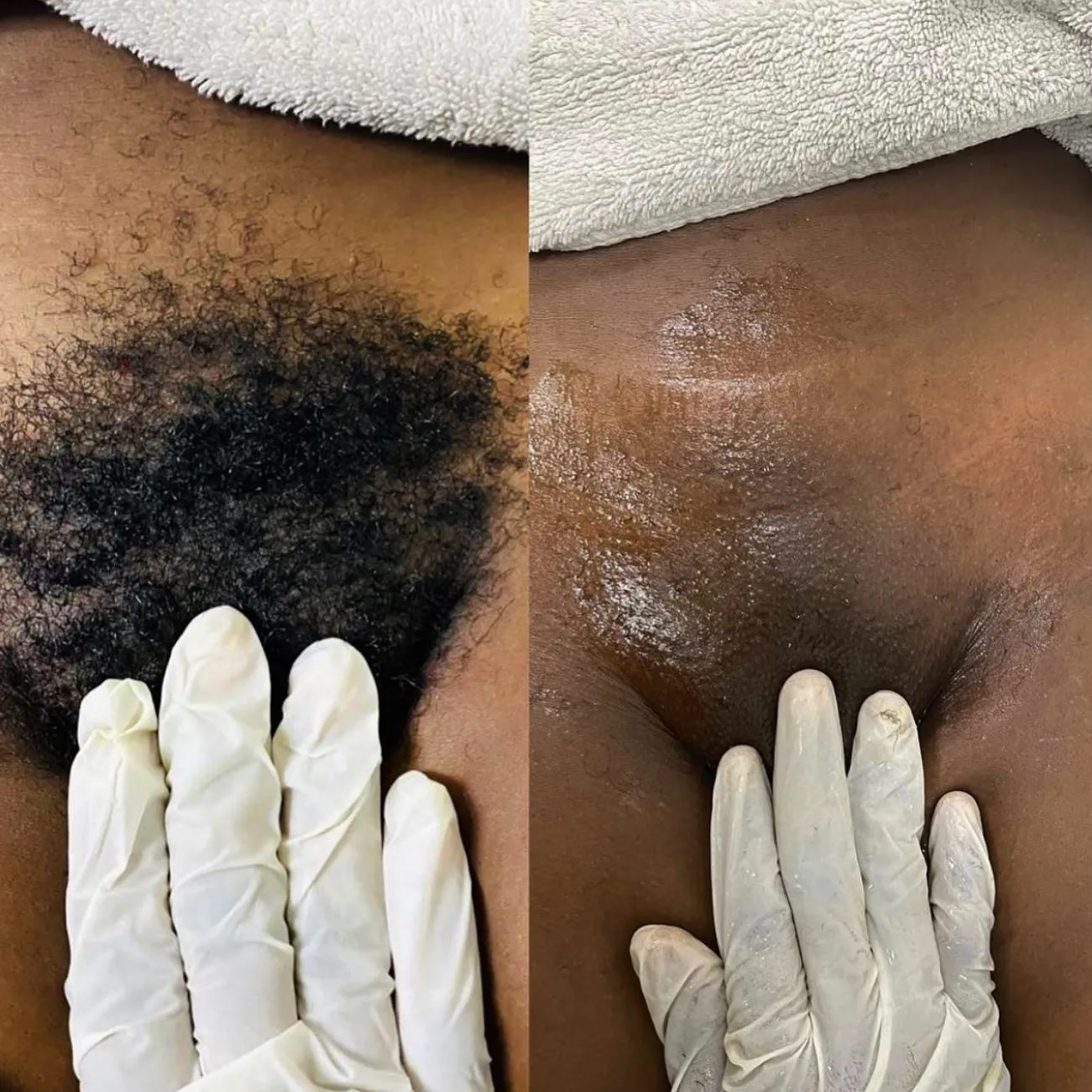
The Brazilian wax experience: Quick rip, short sting

Brazilian waxing is like ripping off a Band-Aid—fast, intense, over before you know it. But let’s not sugar-coat it: it still stings.
What to expect:
- Hot wax (hard or soft) is applied to small sections of pubic hair.
- A swift pull removes hair from the hair follicle root.
- You’ll feel a sharp sting, especially on the pubic area and inner labia.
Typical pain level: Moderate to high for most first-timers; dulls with regular bikini waxing sessions as follicles weaken.
Pain mitigation: Topical or FDA-approved numbing cream can help but need to be applied 30+ minutes prior.
Breathing techniques and pre-emptive pain relief (like paracetamol) make a difference.
Choosing a licensed professional who uses quality wax (we love a low-temp, pliable hard wax) is key.
Cons:
Can cause skin irritation, folliculitis or ingrown hairs—especially in hot Melbourne summers.
Not suitable for those on acne meds, Retin-A or with sensitive skin tones or compromised skin barriers.
At-home waxing kits are tempting but often lead to uneven results and burns from hot water or poorly managed wax temperatures.
The laser experience: Heat, pulses and fewer surprises
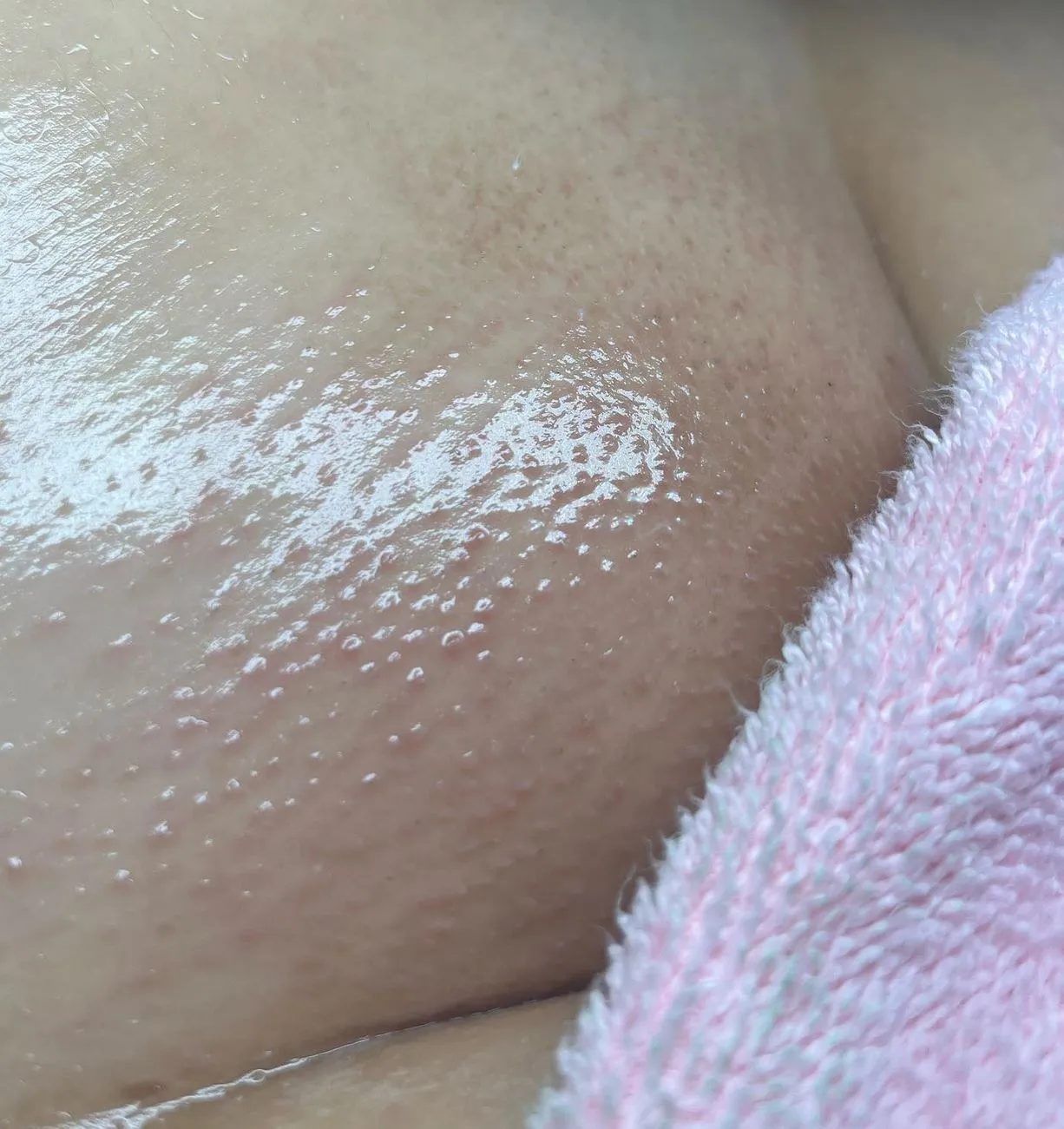
Laser hair removal is more clinical than waxing—but it’s no cakewalk either. Most people describe it as a rubber band snap followed by heat. But with good prep, numbing cream and the right cooling systems it’s surprisingly bearable.
What to expect:
- A cooling gel is applied to the bikini area.
- The laser beam delivers short, hot pulses of laser light energy to the hair follicle.
- You’ll feel heat and a flick-like snap each time it fires.
Pain level: Mild to moderate for most, especially with modern laser technology and cooling devices.
Pain relief:
Numbing cream, chillers or cool compresses help.
Splendour X and Lumenis treatments at reputable laser clinics use blended laser wavelength technology for a gentler feel.
Some Melbourne studios even use ND: YAG lasers for darker skin tones and radio frequencies to boost efficacy.
Benefits:
Long term results and reduction in hair growth and hair density.
Fewer ingrown hairs and less irritation in the pubic area compared to waxing.
Can target hair follicles precisely with customised laser spot diameter settings.
Drawbacks:
Requires multiple treatment sessions (usually 6–8) spaced out based on your growth cycle.
Not safe for recently tanned skin or sun exposure.
Results vary with skin tones, laser wavelength used and individual pain tolerance.
Pain comparison table
| Treatment Area | Brazilian Waxing Pain | Laser Hair Removal Pain |
|---|---|---|
| Bikini line | High | Low to Moderate |
| Pubic mound | High | Moderate |
| Inner labia | Very High | Moderate to High |
| Perianal area | Moderate | Low |
| Upper thighs | Moderate | Low |
What science and stats say about hair removal pain in 2025
According to the 2025 Australian Skin & Aesthetic Trends Report, 84% of people said laser was “less painful than expected”, while only 39% said the same about their first Brazilian wax.
Clinical reviews show laser has fewer adverse reactions than depilatory creams or repeated waxing, especially in the bikini zone. Brands like Completely Bare and European Wax Centre now offer hybrid options, but full-body laser still leads for long-term results with fewer side effects.
What hurts more? It depends on your pain personality
Here’s the deal: if you’re the type who finds eyebrow threading excruciating, you’ll struggle with either method—but laser will probably be your better bet long-term. If you’re more annoyed by long discomfort than sharp bursts, waxing will feel more brutal.
- Tolerates sharp pain but hates drawn-out sensations? Try a Bikini Wax.
- Likes short bursts and high-tech gear? Laser sessions will suit you better.
- Wants better long-term results? Laser wins again.
In our Melbourne studio, we’ve had clients cry during their first wax, then sleep through Brazilian laser with a numbing cream. We’ve also had the opposite. It’s personal.
Before and aftercare tips that make all the difference
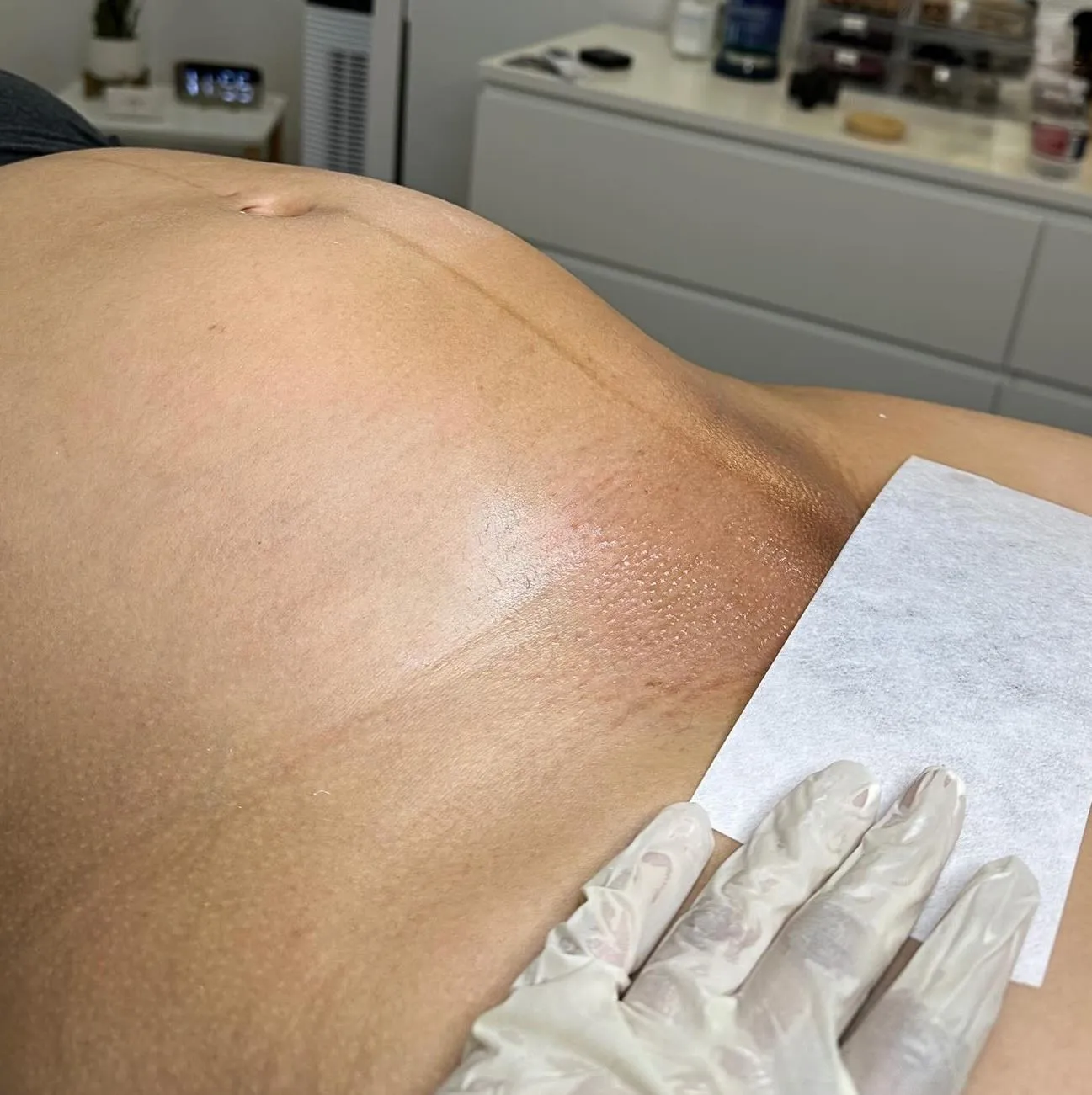
For both:
- Exfoliate gently 24–48 hours beforehand.
- Avoid caffeine and alcohol on the day (they increase sensitivity).
- Wear loose cotton underwear post-treatment.
Laser-specific prep:
- Shave 24 hours prior—never wax or pluck.
- Avoid tanning products and AHAs a week before.
- Book outside your period week if you’re more sensitive.
Waxing specific prep:
- Hair should be at least 0.5cm long for wax to grip.
- Don’t shave for 2–3 weeks beforehand.
- Avoid chemical exfoliants, hot water and acids 3–5 days before.
Post-treatment:
- No hot baths, sex, saunas or workouts for 24–48 hours.
- Aloe vera, cool compresses or post-treatment balms.
- Always apply SPF 30 if skin is exposed.
So, which one?
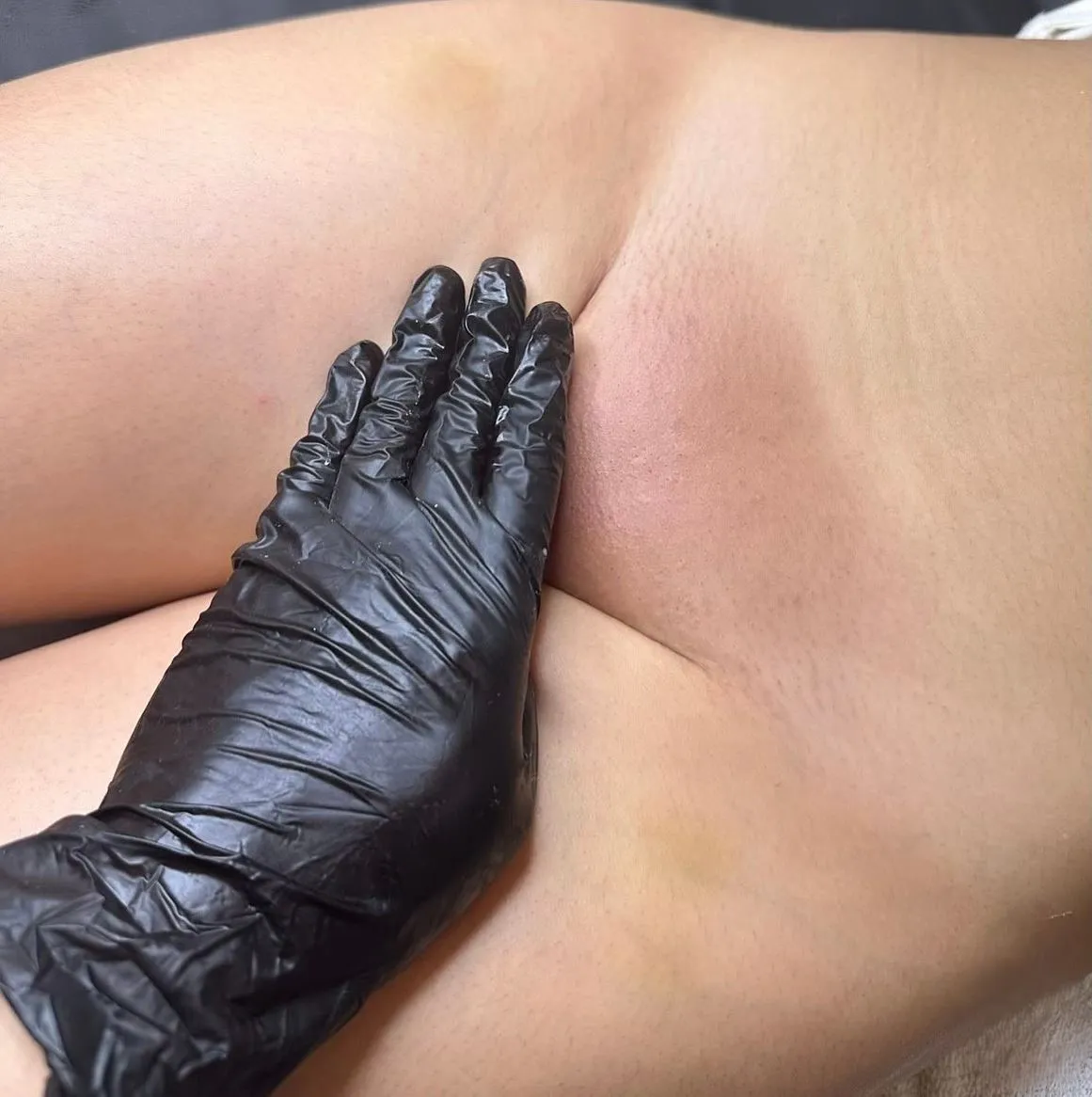
There’s no winner across the board—only what works best for you, your skin tone, hair characteristics and schedule. Waxing is cheaper upfront, easier to access and gives instant results. Laser is an investment but saves time, money and skin drama long-term.
If pain is your biggest concern, laser hair removal tends to be the less painful option overall—especially with today’s cooling technology and licensed professionals.
Final word: Choose your (manageable) pain
Whether you’re team zap or team strip, the most important thing is to go in informed. Neither is 100% pain-free, but with the right prep, honest expectations and a trusted Melbourne hygienic clinic, it’s totally manageable.
Curious which method suits your pain tolerance and hair growth? Pop me a message or book a free consult—we’ll chat laser wavelength, bikini line goals and treatment sessions over a cuppa.
FAQs
1. Does numbing cream work for Brazilian waxing?
Yes, if applied correctly and early enough. Look for lidocaine-based or FDA-approved numbing creams and apply 30–45 minutes before your appointment under cling wrap.
2. Can laser cause burns or blisters?
Yes, but only if used incorrectly or on contraindicated skin (e.g. tanned or compromised). A licensed laser specialist and proper medical advice reduce that risk.
3. Is it normal to bleed during a Brazilian wax?
A few pinpoint spots are normal, especially the first few sessions. It’s caused by the wax pulling hair from deep follicles.
4. How long until hair grows back after waxing?
Usually 3–4 weeks, depending on your growth cycle. Some get longer regrowth-free windows with consistent waxing.
5. How many laser sessions do I need for permanent results?
Typically 6–8 spaced four weeks apart, followed by annual maintenance. Hormones, skin tones and hair growth patterns can affect longevity.